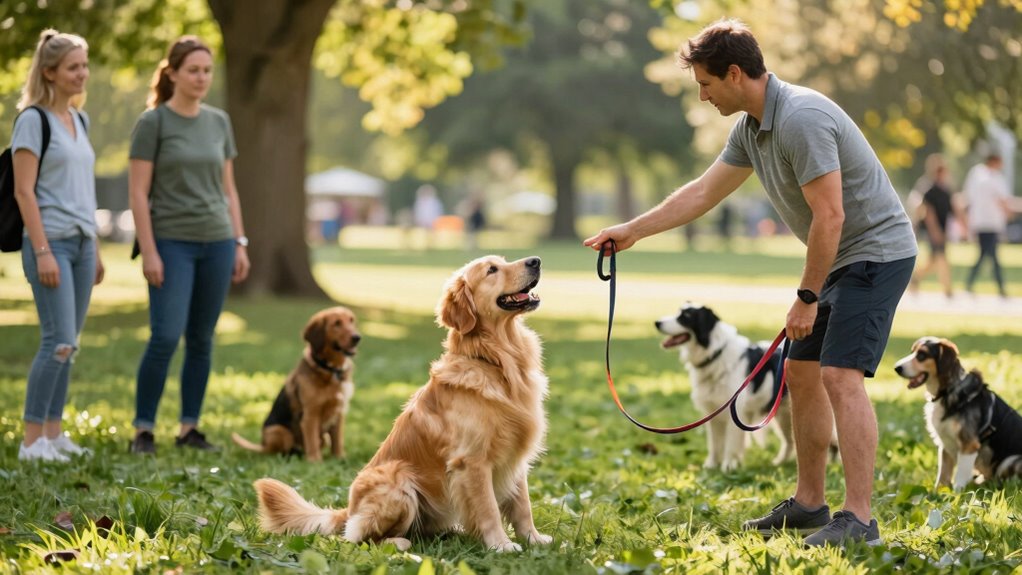

You’ll find that most dogs prefer short, focused training sessions of about 5 to 10 minutes. Keeping sessions brief helps keep your dog engaged and prevents them from becoming overwhelmed or distracted. Consistent, positive interactions build confidence and trust, making training more effective. Pushing for longer sessions might backfire, leading to boredom or resistance. If you want to discover more tips on how to keep your training engaging, continue exploring these guidelines.

Get pet supplies delivered free with Prime
- Fast, free delivery on millions of items
- Prime Video, Amazon Music and more included
- Member-only deals all year
Key Takeaways
- Most dogs prefer training sessions aligned with their natural attention span, typically around 5-10 minutes.
- Short, positive sessions prevent boredom and maintain the dog’s enthusiasm and focus.
- Gradually increasing session length as the dog’s attention improves supports effective learning.
- Consistent, brief interactions build confidence and reduce frustration during training.
- Tailoring session length to the individual dog’s behavior enhances engagement and retention.
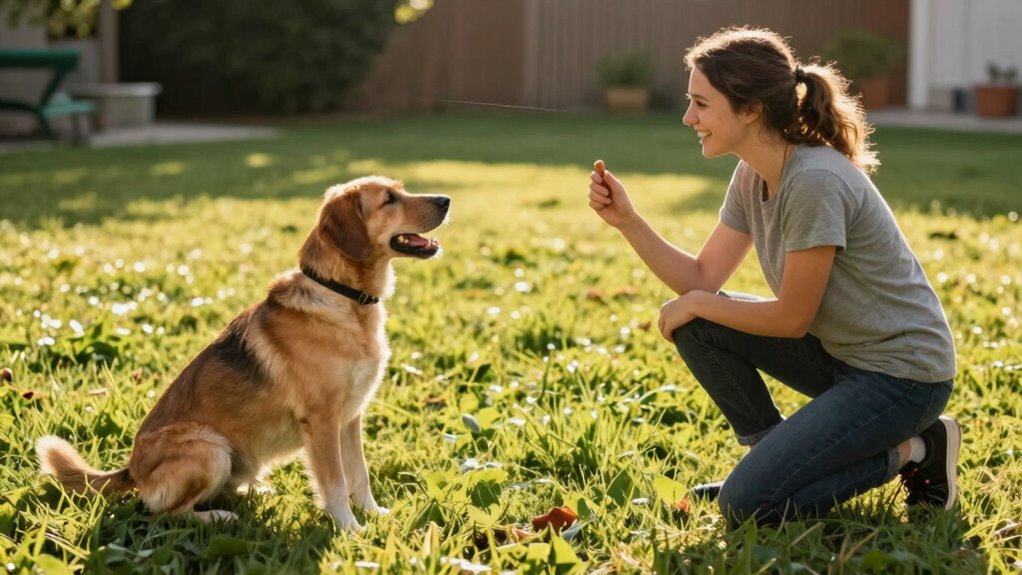
Training sessions are most effective when they match your dog’s natural attention span, which often isn’t very long. If you push your pup too hard or try to cram too much into one session, you risk losing their focus altogether. Instead, keep training brief and engaging, especially when working on foundational skills like puppy socialization and crate training. Puppies are naturally curious but also easily distracted, so short, positive interactions are key. Socialization, for example, should be introduced gradually, exposing your puppy to new people, animals, and environments in small doses. These brief encounters help your pup build confidence without overwhelming them. Similarly, crate training benefits from short, consistent sessions that associate the crate with comfort and safety. To ensure your training is effective, it’s important to understand your dog’s attention span and adapt your sessions accordingly.
When it comes to puppy socialization, aim for sessions that last around 5 to 10 minutes. This way, your pup remains interested and enthusiastic to learn, rather than becoming bored or anxious. During these brief periods, you can introduce new sights, sounds, and smells, always rewarding calm behavior. Keep the mood positive, and avoid forcing your puppy into situations they’re not ready for. This gentle, gradual approach helps them develop trust and curiosity, laying the groundwork for well-rounded social skills.
Crate training also benefits from shorter sessions. Instead of leaving your puppy in the crate for long stretches right away, start with 5-minute intervals and gradually increase the time as your pup becomes more comfortable. Use treats, praise, or toys to make the crate a safe space. The goal is for your puppy to see the crate as a cozy den rather than a punishment. Consistency is important, but so is patience. If your puppy becomes distressed or resistant, take a step back and try again later. Over time, these short, positive sessions will help your dog associate the crate with good things, easing the transition and preventing resistance.
dog training clicker and treats kit
As an affiliate, we earn on qualifying purchases.
As an affiliate, we earn on qualifying purchases.
Frequently Asked Questions
How Do Training Session Preferences Vary Across Different Dog Breeds?
You’ll find that training session preferences vary across breeds due to breed-specific needs and temperament considerations. For example, high-energy breeds like Border Collies thrive with longer, engaging sessions, while calmer breeds like Bulldogs prefer shorter, more frequent training. Understanding each breed’s temperament helps you tailor the length and intensity of sessions, ensuring your dog stays focused and motivated without feeling overwhelmed. Adapting to these needs improves training effectiveness and strengthens your bond.
What Signs Indicate a Dog Is Bored or Impatient During Training?
You can tell your dog is bored or impatient during training by watching for boredom signals like yawning, sniffing, or looking away. If your dog’s patience runs out, they might paw at you, become distracted, or try to leave the training area. These signs show they’re ready for a break or need more engaging, shorter sessions. Pay attention to these cues to keep training effective and enjoyable.
Does Training Session Length Affect a Dog’s Long-Term Behavior?
Training session length greatly impacts your dog’s long-term behavior by influencing their training motivation and session consistency. Short, frequent sessions keep your dog engaged and enthusiastic to learn, preventing boredom and frustration. Longer, infrequent sessions may cause fatigue and loss of focus, hindering progress. To foster positive, lasting behavior, keep sessions brief, consistent, and fun, ensuring your dog remains motivated and maintains steady progress over time.
How Should Training Sessions Be Adjusted for Puppies Versus Adult Dogs?
Like planting a seed, you should tailor training sessions to your dog’s age. For puppies, focus on short, engaging sessions that emphasize puppy socialization, building trust and curiosity. For adult dogs, extend training to reinforce adult obedience, confidence, and understanding. Keep sessions consistent, but adapt the length and content to match your dog’s attention span, ensuring each session nurtures growth without overwhelming them.
Are There Specific Training Techniques That Work Better With Shorter Sessions?
Yes, shorter sessions work better with techniques like clicker training and positive reinforcement. You should keep training sessions around 5 to 10 minutes to maintain your dog’s focus and enthusiasm. During these brief sessions, consistently use the clicker and rewards to reinforce good behavior. This approach prevents frustration and helps your dog stay engaged, making training both effective and enjoyable for both of you.
As an affiliate, we earn on qualifying purchases.
Conclusion
So, next time you train your dog, keep sessions around 10-15 minutes. You’ll be amazed at how your pup’s focus and enthusiasm skyrocket — it’s like releasing a superpower! Longer sessions can turn into a tedious marathon that even the most eager dog might dread. Remember, keeping training fun and brief isn’t just a good idea—it’s the secret weapon to a happier, more obedient best friend. Your dog will thank you with endless loyalty and love!
As an affiliate, we earn on qualifying purchases.
short training session dog training book
As an affiliate, we earn on qualifying purchases.
As an affiliate, we earn on qualifying purchases.
Halloween Picks
halloween
As an affiliate, we earn on qualifying purchases.