
TL;DR

Get pet supplies delivered free with Prime
- Fast, free delivery on millions of items
- Prime Video, Amazon Music and more included
- Member-only deals all year
The ASPCA has launched playgroups at its Recovery & Rehabilitation Center to help dogs recover emotionally and behaviorally. Early results suggest improved well-being and increased adoption rates. This initiative highlights innovative approaches to animal rescue and care.
The ASPCA’s Recovery & Rehabilitation Center has introduced structured playgroups for dogs as part of its efforts to promote emotional healing and improve adoptability. This initiative is now actively underway, with initial positive feedback from staff and volunteers. The program aims to address the emotional trauma many rescue dogs experience and to facilitate their transition into loving homes.
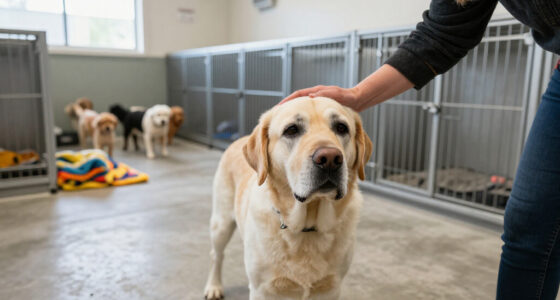
The ASPCA’s Recovery & Rehabilitation Center, located in New York, has integrated playgroups into its daily care routine for dogs that arrive with behavioral or emotional issues. According to ASPCA officials, these playgroups involve supervised social interactions among dogs, designed to reduce stress, foster positive behavior, and build confidence. The program was launched in late 2023 after pilot testing indicated promising results.
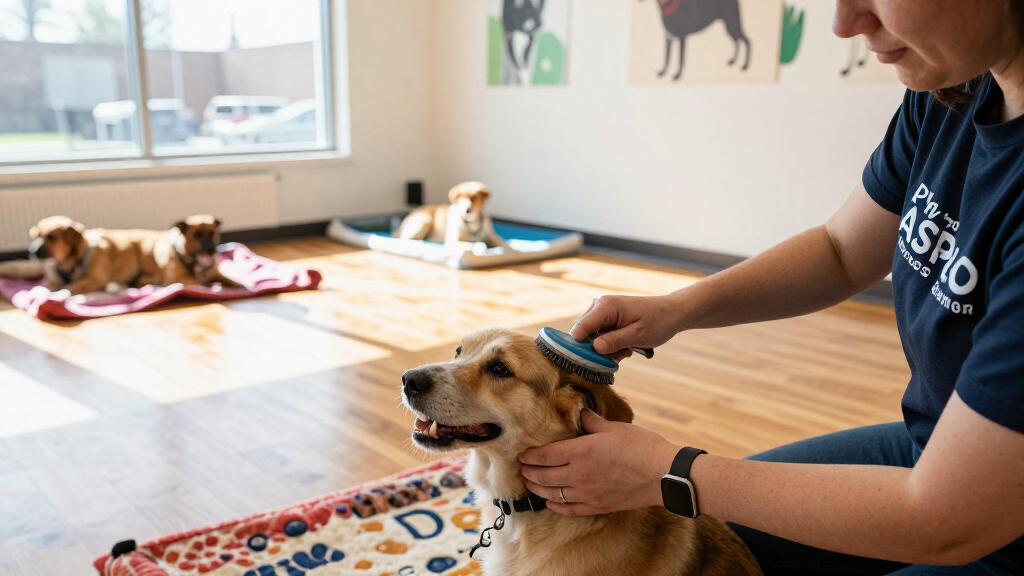
Staff members report that dogs participating in the playgroups show signs of increased relaxation, improved social skills, and greater willingness to engage with humans and other animals. The initiative is part of a broader strategy to improve the well-being of rescue dogs, many of whom have experienced trauma, neglect, or abuse before arriving at the center.
Preliminary data collected over the past few months suggest that dogs involved in playgroups are more likely to be adopted than those who do not participate. The center is also monitoring behavioral improvements and emotional stability through staff observations and standardized assessments. The program is expected to expand as more resources become available.
Impact of Playgroups on Dog Recovery and Adoption
The introduction of playgroups at the ASPCA Recovery & Rehabilitation Center represents an innovative approach to animal care that emphasizes emotional healing. By helping dogs overcome trauma and develop social skills, the program aims to increase their chances of successful adoption. This approach could serve as a model for other shelters seeking to improve the welfare and adoptability of rescue animals.
Experts note that emotional and behavioral health are critical factors in a rescue dog’s ability to integrate into a new home. The ASPCA’s initiative underscores the importance of addressing these needs proactively, rather than solely focusing on medical treatment or basic training. If successful, the program may influence broader industry practices and policies in animal rescue.
As an affiliate, we earn on qualifying purchases.
Background on ASPCA’s Rehabilitation Strategies
The ASPCA has long been a leader in animal rescue and welfare, operating multiple programs aimed at rehabilitating traumatized animals. Traditionally, their focus has been on medical treatment, behavioral assessments, and fostering. The recent addition of structured playgroups builds on this foundation, recognizing the importance of social and emotional health in recovery.
Rescue dogs often arrive with a history of neglect, abuse, or prolonged confinement, which can lead to behavioral challenges. Past efforts have included basic socialization and training, but the new playgroup initiative emphasizes peer interaction as a therapeutic tool. This development aligns with recent research suggesting that social play can significantly reduce stress and promote recovery in animals.
The program was piloted in late 2023, with initial results encouraging, leading to its broader implementation. The ASPCA plans to continue monitoring outcomes to refine the approach and assess long-term benefits for the dogs involved.
“Our goal is to help dogs rebuild their confidence and emotional resilience through positive social interactions. The early results are promising, and we believe this can make a real difference in their recovery and adoptability.”
— Jessica Martinez, ASPCA Director of Animal Welfare
dog behavioral rehabilitation toys
As an affiliate, we earn on qualifying purchases.
As an affiliate, we earn on qualifying purchases.
Unclear Long-Term Impact and Scalability
While initial results are encouraging, it is still uncertain how sustained the benefits of the playgroups will be over the long term. The ASPCA plans to continue monitoring the dogs’ progress, but data on long-term behavioral stability and adoption success remains limited. Additionally, it is not yet clear whether this model can be easily replicated at other shelters with different resources and populations.
As an affiliate, we earn on qualifying purchases.
Next Steps for Playgroup Program Expansion
The ASPCA intends to expand the playgroup program to include more dogs and integrate it more fully into their rehabilitation protocols. They will also conduct formal studies to evaluate long-term outcomes and share findings with the broader animal rescue community. Additionally, the center will explore training staff and volunteers to implement similar programs elsewhere.
Further data collection and analysis are expected over the next year, with potential adjustments based on ongoing results. The organization also plans to document best practices to facilitate adoption by other shelters interested in adopting similar approaches.
As an affiliate, we earn on qualifying purchases.
Key Questions
What are playgroups for dogs?
Playgroups are supervised social interactions among dogs designed to promote emotional healing, reduce stress, and develop social skills, especially for rescue dogs with trauma histories.
How do playgroups improve adoption chances?
Dogs that participate in playgroups tend to show less stress, better social behavior, and greater confidence, making them more appealing and easier to integrate into new homes.
Are playgroups safe for traumatized dogs?
Yes, under supervision and with proper assessment, playgroups are designed to be safe and beneficial for dogs recovering from trauma. Staff monitor interactions closely to prevent conflicts.
Will this program be available at other shelters?
The ASPCA plans to share their findings and training materials, encouraging other shelters to adopt similar programs if resources allow. Long-term scalability is still under evaluation.
What are the next steps for the program?
The ASPCA will expand the program, monitor long-term outcomes, and publish results to inform broader animal welfare practices in the coming months.
Source: rss
Halloween Picks
halloween
As an affiliate, we earn on qualifying purchases.