
TL;DR
The ASPCA says recent meat recalls and a federal plan to import as much as 300,000 metric tons of beef have prompted questions about meat sourcing, safety and labeling. Its ShopKind tool lists farms and markets, including producers with independent animal-welfare certifications; the report does not establish that local or certified meat is safer.
The ASPCA is pointing shoppers to its ShopKind directory of local farms and farmers markets as recent meat recalls and an August White House plan to import up to 300,000 metric tons of beef prompt questions about where meat comes from, its labeling and food safety. The organization promotes the directory as a way to find farms raising animals on pasture, including producers with independent certifications, but its report does not show that those options are safer than other meat.

Get pet supplies delivered free with Prime
- Fast, free delivery on millions of items
- Prime Video, Amazon Music and more included
- Member-only deals all year
The White House announcement described plans to import up to 300,000 metric tons of beef from other countries and sell it at prices 25% below market rates, according to the ASPCA report. The stated aim was to lower grocery costs. U.S. cattle ranchers and farmers raised concerns that lower-priced imports could reduce demand for domestic beef and hurt their incomes. The source does not specify the countries, timetable or whether the full volume has been imported.
The report also cites two recalls: a U.S. Department of Agriculture recall of more than 167,000 pounds of raw beef, pork and goat meat from Star Meat Delivery Inc., and a recall of nearly 30,000 pounds of raw beef from Argentina. The ASPCA says these events have brought food safety and labeling into public discussion. The figures describe the reported recall amounts, not the number of people affected or a comparison with other periods.
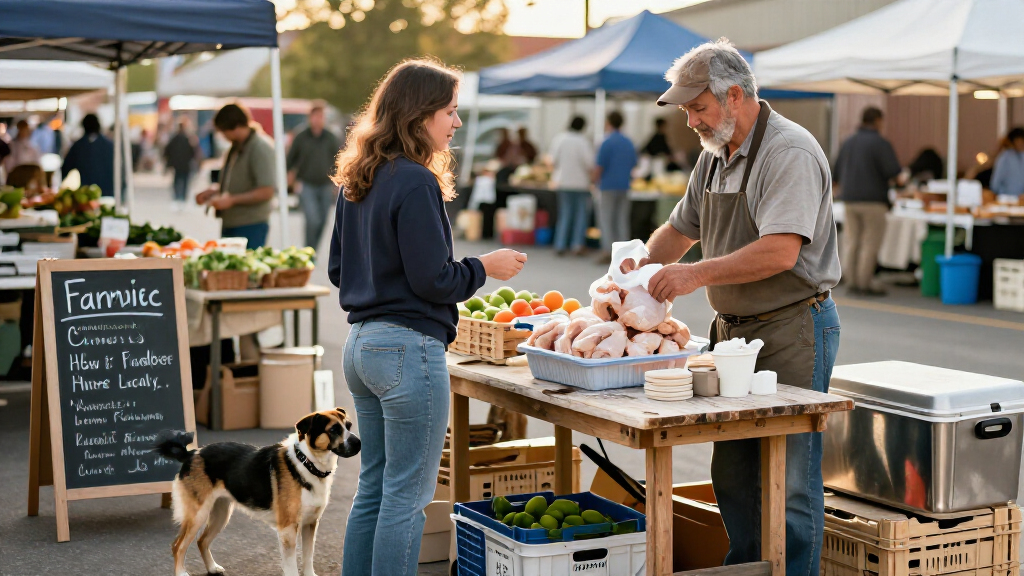
For shoppers seeking local options, ASPCA ShopKind lets users search for farms and farmers markets, including through location filters. The ASPCA says listed farms hold certifications from independent programs such as the American Grassfed Association and Animal Welfare Approved. Those descriptions reflect the organization’s account of its directory; the report does not provide a full list of eligible farms or explain how often listings are reviewed.
How Shoppers Can Find Local Producers
The recalls and import plan raise different questions. Recalls concern identified products and the safety or labeling issues associated with them; the import proposal concerns supply, prices and potential effects on domestic producers. The source material does not say the import plan is connected to either recall.
ShopKind offers one practical route for people who want to buy from nearby farms and learn about the standards those producers follow. Certification information can help shoppers compare stated production practices, while buying locally may direct spending to independent farms. These are choices about sourcing and animal welfare; they do not, by themselves, establish that food is free of safety risks.
The ASPCA argues that pasture-based independent farms support animal welfare and healthier land and communities. That is the organization’s assessment of the food system, rather than a finding demonstrated by the recall figures or import announcement. Shoppers can use the directory as a starting point and ask producers directly about practices, certification and how products are handled.
Products Worth Considering

iRobot Roomba Max 715 Pet Robot Vacuum with AutoEmpty Dock

Roborock Qrevo 2 Pro Robot Vacuum and Mop with 20,000 Pa Suction

iRobot Roomba Max 875 Robot Vacuum and Mop
As an affiliate, we earn on qualifying purchases.
The Recall and Import Developments
The developments described in the ASPCA report put domestic and imported meat in the same news cycle, but they are separate matters. The import plan was announced in August as a way to offer beef at a price below market rates. The source gives no year for that announcement and does not report whether the plan has since changed or been carried out.
The report identifies the USDA as the agency behind the Star Meat Delivery Inc. recall and gives the recalled quantity and product types. It also cites a separate recall involving beef from Argentina. It does not provide recall dates, lot codes, distribution areas, reasons for the recalls or instructions for consumers who may have purchased affected products. Anyone checking a specific product should consult current USDA recall notices rather than rely on the summary figures alone.
“The White House announced plans to import up to 300,000 metric tons of beef from other countries that would sell it at prices 25% below market rates.”
— ASPCA report
Import Timing and Recall Details
The source does not specify the year of the August announcement, the countries involved, the import schedule or how much beef has entered the market. It also does not say whether the proposed below-market pricing has reached consumers or how the plan may affect U.S. ranchers.
For the recalls, the report omits dates, reasons, affected product identifiers and geographic distribution. Readers should check current USDA notices for product-specific guidance. It also does not claim that local, pasture-raised or certified meat is exempt from recalls or safer on the basis of these examples.
The ASPCA does not provide details in this report on ShopKind’s listing criteria, certification verification or update schedule. The directory can help locate producers, but shoppers may need to confirm current availability and practices with farms directly.
Check Notices and Contact Farms
Consumers can use the USDA’s current recall information to determine whether a product they own is affected, then follow the agency’s instructions. The ASPCA report does not include enough product detail to identify affected packages on its own.
Shoppers interested in local sourcing can search ShopKind by location and contact farms or farmers markets about available products, production methods and certifications. Further clarity on the beef plan depends on updated information from the White House or relevant agencies about its timing and implementation; the supplied report gives no next official milestone.
Key Questions
What prompted the ASPCA report?
The report points to recent meat recalls and an August White House plan to import up to 300,000 metric tons of beef, which have brought sourcing, labeling and food safety questions into focus.
Which recalls does the report mention?
It cites a USDA recall of more than 167,000 pounds of raw beef, pork and goat meat from Star Meat Delivery Inc., and a separate recall of nearly 30,000 pounds of raw beef from Argentina. It does not give product codes or recall dates.
How can shoppers look for local farms?
The ASPCA directs shoppers to ShopKind, which offers searches for farms and farmers markets and allows location filtering. The organization says some listed farms have independent certifications.
Does the report say local or certified meat is safer?
No. It promotes local and pasture-based farms for sourcing and animal-welfare reasons, but does not establish that local or certified meat is safer or immune from recalls.
Has the beef import plan taken effect?
The report describes an announcement of plans to import beef but does not provide a timetable, confirm how much has been imported or say whether the proposed prices have reached shoppers.
Source: rss