
As spring arrives, it’s essential to inspect your yard for hazards before your dog ventures outside. Walk around your space to identify and remove toxic plants like foxglove or azaleas, and fix any fencing issues such as gaps or loose panels. Clear debris like sticks, trash, or sharp objects that could injure or be ingested. Regularly updating these checks helps keep your furry friend safe, and if you keep going, you’ll discover even more tips to protect your pet.

Get pet supplies delivered free — and shop member deals
- Fast, free delivery on millions of items
- Access to Prime Big Deal Days deals on October 6–7
- Prime Video, Amazon Music and more included
Key Takeaways
- Inspect fencing for damage or gaps, and secure access points to prevent escapes and unwanted entry.
- Identify and remove toxic plants or hazardous debris that could harm your dog.
- Check for sharp objects, sticks, or trash that could cause injuries or blockages.
- Ensure all plants in the yard are dog-safe and fenced off from toxic species.
- Regularly monitor the yard for new hazards introduced by seasonal changes or growth.
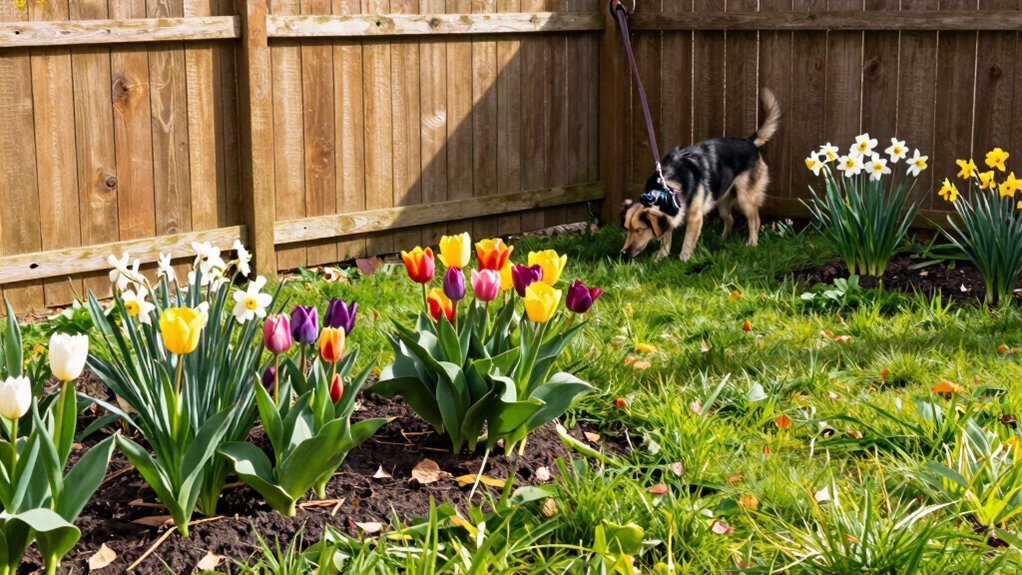
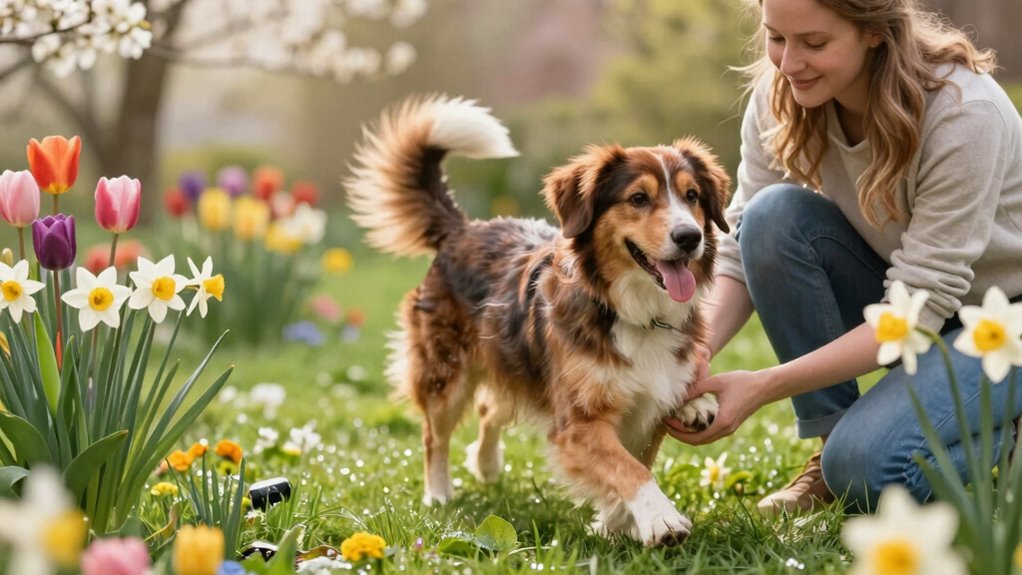
Your yard is your dog’s playground, but it’s essential to regularly check it for safety and cleanliness. As spring arrives, it’s the perfect time to give your yard a thorough inspection to *guarantee* it stays a safe space for your furry friend. One of the most important things to look out for are poisonous plants. Many common garden plants, like foxglove, azaleas, and certain lilies, can be toxic if ingested by dogs. Take a walk around your yard and identify any plants that might pose a risk. Remove or fence off these plants so your dog can’t access them. If you’re unsure about a plant’s safety, consult a veterinarian or a gardening expert. Knowing which plants are poisonous helps prevent accidental poisoning, which can be serious or even life-threatening. Regularly monitor your yard’s plant safety to stay aware of any new hazards that may develop over time. It’s also helpful to keep informed about dog-friendly plants to make safer choices for your garden. Additionally, understanding the toxicity of garden plants can help you better assess risks in your yard. Incorporating plant safety information into your yard management can further reduce potential dangers. Being aware of plant toxicity helps you make informed decisions about what to plant and keep in your yard. Fencing safety is another critical aspect to review. Over time, fences can become damaged or weakened, creating escape routes or entry points for other animals. Walk the perimeter of your yard, checking for loose boards, broken panels, or gaps under the fence. Repair any damage promptly to prevent your dog from slipping out or other animals from sneaking in. Spring often brings new growth and shifting soil, which can loosen fencing posts or cause sagging. Tighten or replace any compromised sections to *assure* your yard remains secure. Also, consider whether your fencing is high enough; many dogs are excellent jumpers and might find a way over a fence that’s too low. If needed, add height or additional barriers to prevent escapes. Additionally, look for potential hazards like sharp objects, debris, or toxic substances buried under leaves or mulch. Rake up any fallen branches, sticks, or trash that could injure your dog or be ingested. Check your yard’s access points, like gates and doors, to ensure they latch securely and aren’t easy for your dog to open. Spring is a time when your yard might be more inviting due to blooming flowers and lush grass, but it also means more exposure to risks. Regularly clearing the yard of dangerous plants, maintaining fencing safety, and removing hazards will help keep your dog safe and happy during their outdoor adventures. Making these inspections part of your spring routine *guarantees* that your yard remains a secure, clean, and enjoyable space for your dog all season long.
As an affiliate, we earn on qualifying purchases.
Frequently Asked Questions
How Often Should I Perform Yard Checks During Different Seasons?
You should perform yard checks seasonally, ideally once every few months. During spring and summer, focus on garden maintenance and pest control to keep pests like fleas and ticks at bay. In fall, clear fallen leaves and debris, and check for any new pest activity. Winter checks should be brief but thorough, ensuring your yard remains safe. Regular inspections help protect your dog and maintain a healthy, pest-free outdoor space year-round.
What Specific Hazards Should I Look for in My Yard?
You should look for hazards like garden pests that could harm your dog or contaminate their food and yard debris that could cause choking or infection. Check for sharp objects, broken fences, or holes that could lead to escapes or injuries. Remove any toxic plants or chemicals, and guarantee trash is securely covered. Regularly inspecting these hazards keeps your yard safe and enjoyable for your furry friend.
Can a Yard Check Prevent Common Dog Injuries?
A yard check can definitely prevent common dog injuries, even if it seems obvious. You might think your yard is safe, but poor yard maintenance or unexpected dog behavior can turn it dangerous. By inspecting for hazards like sharp tools or toxic plants, you actively reduce risks. Staying vigilant about your dog’s behavior and maintaining your yard guarantees fewer injuries, proving that a little effort keeps your furry friend safe and sound.
Are There Plants in My Yard That Are Toxic to Dogs?
Yes, some plants in your yard can be toxic to dogs. Poisonous plants and toxic foliage like azaleas, tulips, and sago palms can cause serious health issues if ingested. To keep your dog safe, identify and remove or fence off these hazardous plants. Regularly inspecting your yard helps prevent accidental poisoning, ensuring your furry friend stays healthy and happy while exploring outdoors.
How Do I Make My Yard More Dog-Friendly and Safe?
You can make your yard more dog-friendly by installing sturdy garden fencing to keep your pup safe and contained. Guarantee proper water drainage to prevent muddy patches and reduce health risks. Add shaded areas and safe plants, avoiding toxic ones. Regularly inspect the yard for hazards, and keep toys accessible. These steps help create a secure, enjoyable space where your dog can play freely without worry.
toxic plant identification for dogs
As an affiliate, we earn on qualifying purchases.
As an affiliate, we earn on qualifying purchases.
Conclusion
So, step outside this spring and survey your space—safeguard your shelter, clear clutter, and check for hazards. A thorough yard check keeps your dog safe, sound, and stress-free. By breezing through these basic, beneficial bounds, you bolster their security and your serenity. Remember, a prepared, pest-free, and pristine yard is the perfect playground for your pup to play, explore, and enjoy the season safely and happily.
As an affiliate, we earn on qualifying purchases.
As an affiliate, we earn on qualifying purchases.
Evergreen bestsellers Picks
bestsellers
As an affiliate, we earn on qualifying purchases.