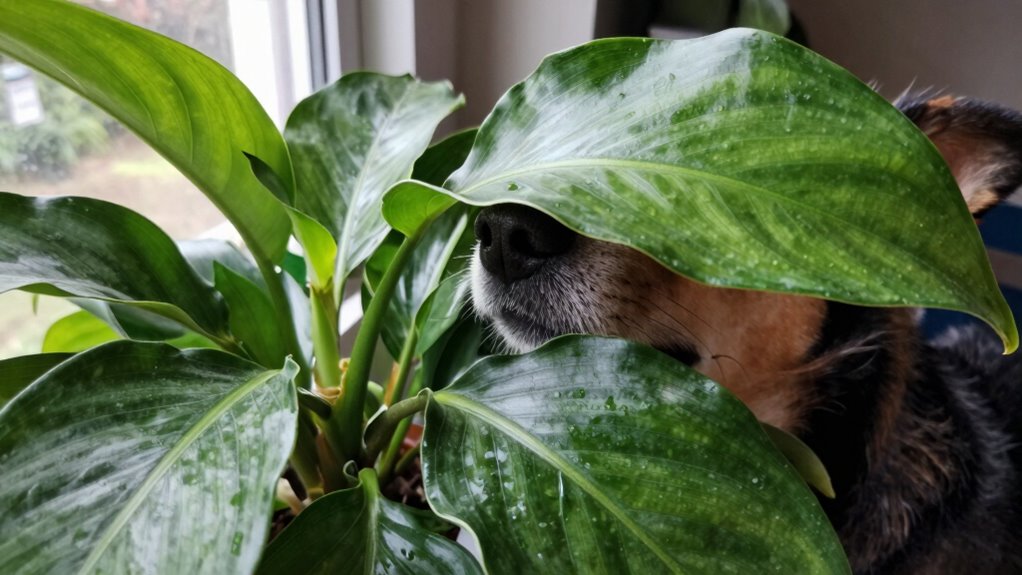

Many popular houseplants like peace lilies, dieffenbachia, and pothos can pose serious risks to your dog’s health. Even small ingestions can cause symptoms ranging from mild irritation to severe issues like swelling, vomiting, or kidney problems. Recognizing these plants and keeping them out of reach is essential. Properly identifying harmful plants and understanding their dangers helps prevent accidents. Keep exploring to learn more about how to protect your furry friend from common indoor plant hazards.

Get pet supplies delivered free — and shop member deals
- Fast, free delivery on millions of items
- Access to Prime Big Deal Days deals on October 6–7
- Prime Video, Amazon Music and more included
Key Takeaways
- Many common houseplants like peace lilies and dieffenbachia are toxic and can cause severe health issues in dogs.
- Toxic plant identification helps prevent accidental ingestion by recognizing harmful traits like shiny or variegated leaves.
- Proper indoor plant placement and labeling reduce the risk of dogs accessing and ingesting dangerous plants.
- Educating pet owners about symptoms of poisoning enables prompt veterinary intervention.
- Using pet-safe plants and resources on toxicity levels promotes safer indoor gardening for dogs.
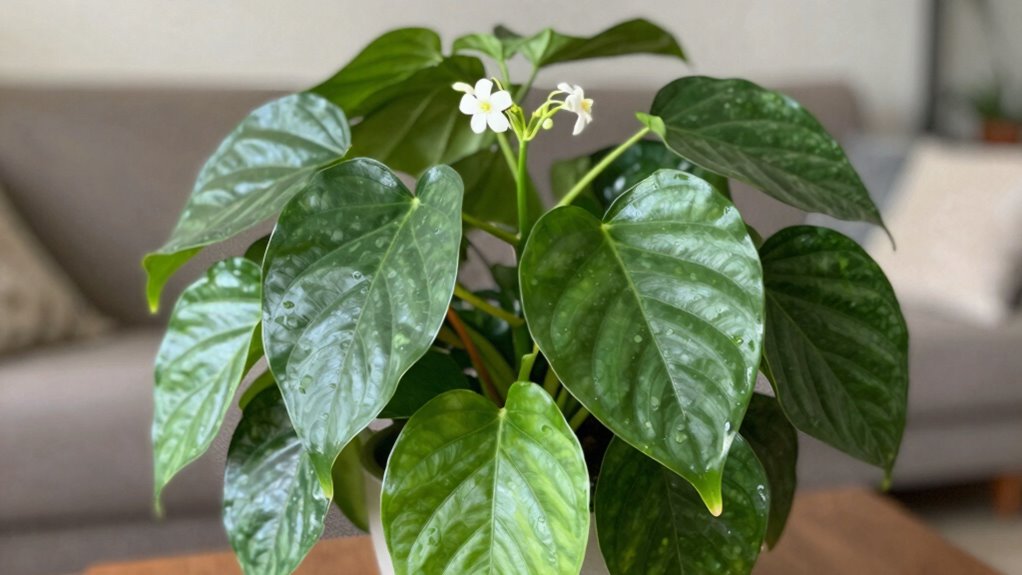
Many common houseplants can pose serious risks to your dog if ingested, making it essential for pet owners to be aware of potential dangers. As you enjoy indoor gardening, it’s easy to get caught up in caring for your plants without considering how they might affect your furry friend. Not all houseplants are pet-safe, and some can cause severe reactions if your dog decides to nibble on them. The key to avoiding these hazards is understanding toxic plant identification, so you can keep your indoor garden beautiful and safe at the same time.
Many houseplants pose risks to dogs; understanding toxic plants helps keep your home beautiful and safe.
When you’re selecting new plants for your home, don’t just focus on aesthetics. Take the time to research which plants are toxic to dogs. Many popular houseplants like peace lilies, dieffenbachia, and pothos fall into this category. These plants contain compounds that can cause symptoms ranging from mild irritation to life-threatening conditions. For example, ingestion of dieffenbachia can lead to oral swelling, difficulty swallowing, and vomiting, while peace lilies might cause kidney issues or skin irritation. Recognizing these dangers early can help you make smarter choices about your indoor gardening.
Toxic plant identification is your best defense. Learn to spot common traits of harmful plants, such as shiny or variegated leaves, which are often found in popular indoor varieties. Keep in mind that the toxicity level can vary depending on the plant’s size and the amount your dog consumes. Even small amounts of certain plants can trigger adverse effects, so it’s critical to keep potentially dangerous plants out of your dog’s reach or opt for pet-safe alternatives. If you’re unsure about any plant, consult a reliable resource or veterinarian before bringing it into your home. Additionally, understanding the toxicity levels of houseplants can help you better assess risk and make safer choices for your indoor garden. Being aware of plant toxicity can also guide you in choosing the right containers and placement to reduce accidental ingestion. It’s also helpful to know that proper plant labeling can assist in quickly identifying which plants are safe or hazardous. Furthermore, educating yourself on common toxic houseplants can help prevent unintentional exposure and ensure a safer environment for your furry friend. Knowing the symptoms of poisoning can enable prompt action and potentially save your pet’s life.
As an affiliate, we earn on qualifying purchases.
Frequently Asked Questions
Are There Any Safe Houseplants for Dogs?
Yes, there are safe houseplants for dogs. You should look for pet friendly greenery that isn’t toxic to your furry friend. Plants like spider plants, Boston ferns, and areca palms are great options because they have low plant toxicity and won’t harm your dog if they nibble on them. Always double-check any new plant’s safety, and keep your dog from overindulging, to guarantee a safe and healthy environment.
How Quickly Do Symptoms Appear After Ingestion?
Symptoms can appear surprisingly quickly after your dog ingests a toxic houseplant, often within a few hours. The ingestion timeline varies depending on the plant and the amount consumed, but you might see signs like vomiting, diarrhea, or lethargy as early as 1 to 4 hours post-ingestion. Promptly monitoring your dog and seeking veterinary care at the first sign of symptoms is essential for their safety.
Can Houseplants Harm Puppies More Than Adult Dogs?
Yes, houseplants can harm puppies more than adult dogs because of plant toxicity and puppy vulnerability. Puppies are more curious and tend to chew on plants, increasing their risk of ingesting toxic leaves or stems. Their developing systems are less able to handle toxins, making symptoms appear faster and more severe. To protect your puppy, identify toxic plants and keep them out of reach, ensuring a safe environment.
What Immediate Actions Should I Take if My Dog Eats a Toxic Plant?
If your dog eats a toxic plant, act immediately. Contact your veterinarian or an emergency pet poison hotline for guidance on plant toxicity. Watch for symptoms like vomiting, diarrhea, or lethargy. Do not try to induce vomiting unless instructed. Your quick emergency response can prevent severe health issues. Keep the plant’s identification ready to help professionals determine the right treatment, and stay calm to effectively assist your pet.
Are Indoor Plants More Dangerous Than Outdoor Plants?
Indoor plants are often more dangerous than outdoor ones because many common houseplants are toxic to pets, with over 700 plant species known to cause issues. You might think you’re choosing pet-safe plants, but some indoor varieties can still pose risks. Always research plant toxicity before bringing new greenery inside, and opt for pet-safe plants to protect your furry friends from potential harm.
As an affiliate, we earn on qualifying purchases.
Conclusion
Don’t let the beauty of houseplants blind you to the risks they pose. I know it might seem harmless, but many common plants can seriously harm your furry friend. Staying informed and choosing pet-safe plants isn’t just a good idea—it’s essential for your dog’s safety. So, take a moment to double-check your plant collection today. After all, a happy, healthy pet is worth a little extra effort, and your home can be beautiful and safe at the same time.
As an affiliate, we earn on qualifying purchases.
As an affiliate, we earn on qualifying purchases.
Fall Picks
fall essentials
As an affiliate, we earn on qualifying purchases.