Holiday households can overload even friendly dogs because of the constant noise, crowding, and unfamiliar stimuli that can overwhelm their senses. When you shower your dog with attention or have loud gatherings, it can cause stress rather than joy. Even social dogs may feel anxious in chaotic environments. Recognizing these signs early and managing their space can help, so you and your dog enjoy a happier holiday together—there’s much more to discover on how to keep them comfortable.

Get pet supplies delivered free — and shop member deals
- Fast, free delivery on millions of items
- Access to Prime Big Deal Days deals on October 6–7
- Prime Video, Amazon Music and more included
Key Takeaways
- Holiday households often have loud noises and large groups, overwhelming even friendly dogs.
- Constant social interactions and unfamiliar environments can cause stress, despite the dog’s friendly nature.
- Overexposure to attention and activity may lead to anxiety rather than joy for dogs.
- Lack of designated quiet spaces prevents dogs from retreating and recovering from overstimulation.
- Inconsistent routines and unpredictable holiday events can increase stress levels in well-behaved dogs.
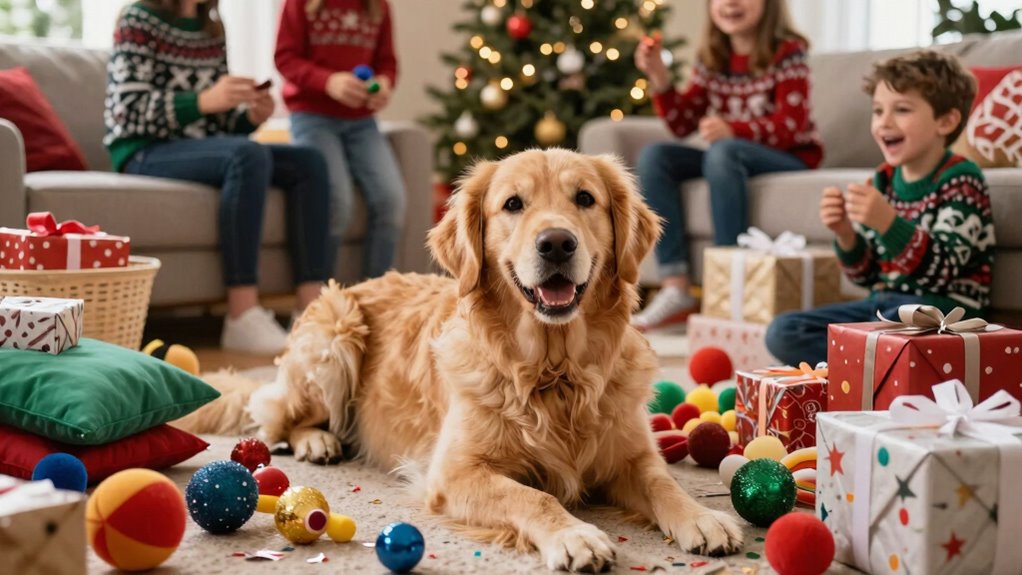
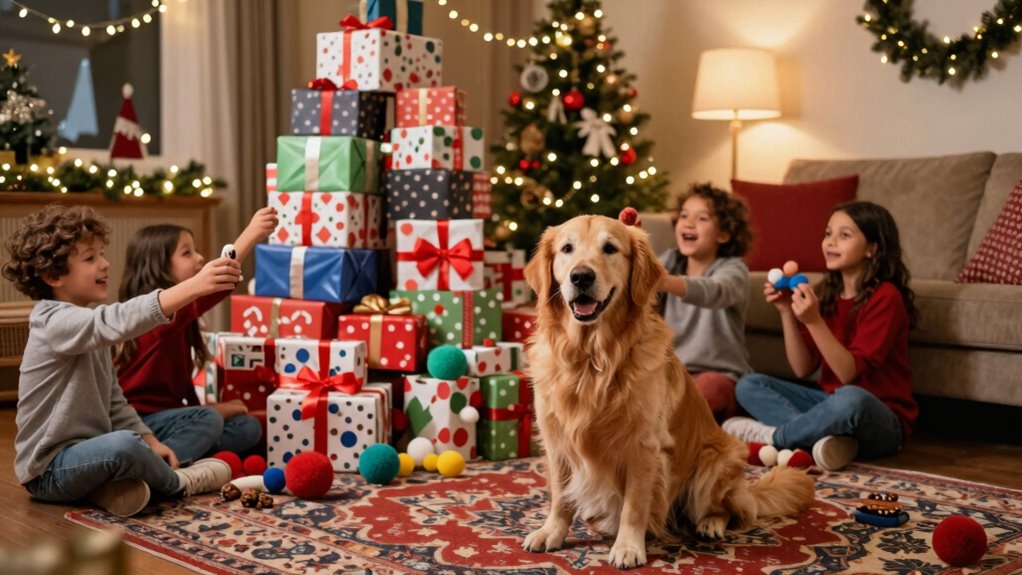
During the holiday season, it’s easy to get caught up in the festivities and forget that overloading friendly dogs with too much attention can cause stress or discomfort. While your dog might be naturally social and eager to interact, too many people or constant noise can overwhelm them quickly. It’s important to remember that even the friendliest dogs need breaks and controlled environments to manage their stress levels. This is where understanding dog socialization and stress management comes into play.
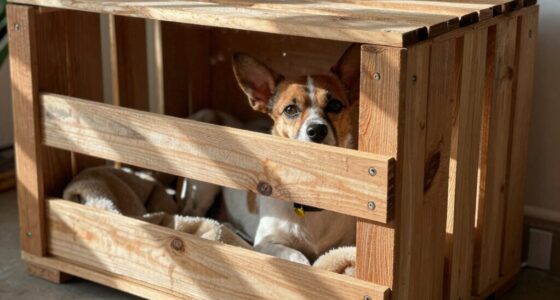
Dog socialization isn’t just about exposing your pet to new people or environments; it’s about gradually helping them feel comfortable in different situations. During the holidays, you might have a house full of guests, children, and relatives, all enthusiastic to pet and play with your dog. If your dog isn’t used to large groups or unfamiliar faces, this sudden influx of social interaction can cause anxiety rather than joy. To prevent this, you should provide your dog with a designated quiet space where they can retreat when overwhelmed. This simple step helps them regain composure and feel secure, reinforcing healthy socialization habits without pushing them into stressful situations.
Stress management is vital during this busy time. Keep a close eye on your dog’s body language—flattened ears, tucked tail, yawning, or lip licking are signs they’re feeling anxious. When you notice these cues, gently remove them from the chaos and give them some downtime. It’s tempting to keep them engaged with treats or toys, but sometimes silence and space are the best tools to reduce their stress. Remember, overexposure to noise and close contact can heighten their arousal, so maintaining a calm environment benefits everyone. Avoid loud music, boisterous conversations, or chaotic gatherings that can make your dog feel overwhelmed. Additionally, understanding dog stress cues can help you respond promptly and appropriately to your pet’s needs. Recognizing stress cues early allows you to intervene before your dog becomes overly anxious or distressed. Incorporating calm behavior training can also aid in teaching your dog how to better cope with holiday-related stressors. Furthermore, providing consistent routines helps your dog feel secure amidst the holiday chaos.
Balancing socialization and stress management during the holidays involves setting boundaries. It’s not about keeping your dog isolated but providing consistent, positive experiences that build their confidence. Respect their limits; if they seem tired or anxious, give them a break. Encourage gentle interactions and avoid forcing your dog into situations where they appear uncomfortable. By doing this, you help your dog enjoy the festive season without feeling overwhelmed, ensuring they remain happy and relaxed amidst the holiday hustle. Ultimately, your awareness and proactive approach to dog socialization and stress management will help create a holiday environment that’s enjoyable for everyone—furry friends included.
Frequently Asked Questions
How Can I Tell if My Dog Is Overwhelmed During the Holidays?
You can tell your dog is overwhelmed during the holidays if they show signs of social overload, like yawning, lip licking, or avoiding eye contact. Watch for increased barking, restlessness, or hiding behaviors, especially when exposed to holiday triggers like loud noises or lots of visitors. If your dog seems anxious or stressed, give them a quiet space and limit their social interactions to help them feel more secure.
Are There Specific Signs of Stress in Friendly Dogs?
Think of your dog’s body language as a map revealing stress signals. When friendly dogs are overwhelmed, they may yawn, lick their lips, or avoid eye contact—classic signs of stress triggers. You’ll notice their tail tucked or ears pinned back, showing discomfort. Recognizing these signs helps you intervene early, calming your pup before the holiday chaos becomes too much, keeping their tail wagging happily rather than drooping in stress.
What Preparations Help Prevent My Dog From Overloading?
To prevent your dog from overloading during busy holiday routines, focus on proper dog socialization beforehand and maintain consistent routines. Gradually expose your dog to new environments and visitors to build confidence. Keep a calm, predictable schedule, including regular walks and quiet time. Avoid overwhelming your dog with too many new people or activities at once, and provide a safe space they can retreat to when feeling stressed.
How Long Does It Take for a Dog to Recover From Holiday Stress?
Recovery from holiday stress varies, but typically, it takes a few days to a week for your dog to bounce back from festive dog anxiety. During this time, consistent routines, cozy comfort, and calm companionship help restore your pup’s peace. Prioritizing holiday pet safety and providing a quiet, familiar environment helps ease their anxious feelings. Patience, gentle reassurance, and proper care are key to helping your dog regain their happy, relaxed self.
Can Training Reduce a Dog’s Overloading Tendency During Festivities?
Yes, training can help reduce your dog’s tendency to overload during festivities. By establishing clear holiday boundaries, you teach your dog what’s acceptable and what’s not. Incorporate calm reinforcement to reward relaxed behavior, helping your dog associate calmness with positive outcomes. Consistent training before and during holidays builds your dog’s confidence, making it easier for them to handle the festive chaos without becoming overwhelmed.
Conclusion
As you navigate the whirlwind of holiday cheer, remember the gentle soul of your dog—like a lighthouse in a storm. Overloading their senses can dim their natural warmth and friendliness. By respecting their boundaries, you keep that beacon shining bright. Think of it as tending to a garden; with patience and care, your dog’s trust will bloom, ensuring your holiday season remains a time of joy and harmony, rather than overwhelm.
Fall Picks
fall essentials
As an affiliate, we earn on qualifying purchases.