
TL;DR

Get pet supplies delivered free — and shop member deals
- Fast, free delivery on millions of items
- Access to Prime Big Deal Days deals on October 6–7
- Prime Video, Amazon Music and more included
Pet owners should be aware that antidepressant toxicity can occur if pets ingest medications. Immediate veterinary care is crucial. This article explains symptoms, risks, and prevention measures.
Pet owners need to be aware that ingestion of antidepressant medications can cause toxicity in animals, with immediate veterinary intervention being critical. This issue has gained attention due to rising reported cases, emphasizing the importance of proper medication storage and prompt response to accidental ingestion.
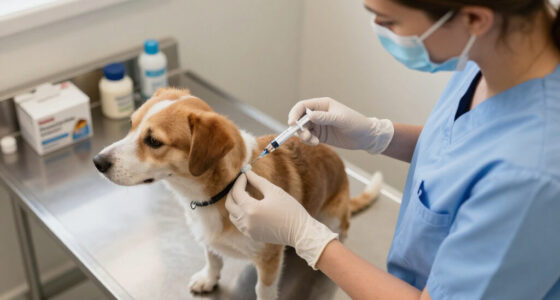
Confirmed reports indicate an increase in cases of antidepressant toxicity in pets, primarily dogs and cats, resulting from accidental ingestion of human medications. Veterinary clinics have documented symptoms such as lethargy, tremors, vomiting, and in severe cases, seizures. Experts from the American Veterinary Medical Association (AVMA) stress that antidepressant poisoning can be life-threatening if not treated promptly. The drugs involved include common SSRIs and SNRIs, which are widely prescribed for humans but pose a significant risk to animals if accessible. Veterinarians advise pet owners to keep medications securely stored and to seek immediate care if ingestion is suspected. Treatment typically involves supportive care, activated charcoal, and sometimes antidotes, depending on the drug and severity.Why Antidepressant Toxicity in Pets Is a Growing Concern
This issue matters because antidepressant poisoning can be fatal or cause long-term health problems in pets. With the widespread use of these medications, accidental ingestion is increasingly common, especially in households where medications are not securely stored. Raising awareness can prevent emergencies, reduce veterinary costs, and save pets’ lives. Veterinarians emphasize that early intervention significantly improves outcomes, making owner vigilance essential. As cases rise, understanding symptoms and response protocols becomes critical for pet safety and well-being.As an affiliate, we earn on qualifying purchases.
Rising Cases and Common Medications Involved
Over recent months, veterinary clinics across the country have reported a surge in antidepressant poisoning cases in pets. The medications most often involved include fluoxetine, sertraline, and venlafaxine, which are common prescriptions for humans. The increase coincides with more households using these drugs, especially during stressful periods such as the COVID-19 pandemic. Prior to this rise, such cases were relatively rare but have become more frequent, prompting warnings from veterinary professionals. Historically, accidental ingestion of human medications has been a known risk, but the recent spike underscores the need for heightened awareness and preventive measures. Experts note that pets can be particularly vulnerable due to their curiosity and small size, which makes even small doses potentially dangerous.“The rise in reported cases highlights the importance of secure medication storage and awareness among pet owners about the risks of human drugs.”
— AVMA spokesperson
As an affiliate, we earn on qualifying purchases.
Unconfirmed Factors and Ongoing Research Efforts
It is not yet clear whether the increase in cases is solely due to higher medication use or if other factors, such as changes in pet behavior or reporting practices, contribute. The exact number of cases remains under investigation, and data collection is ongoing to better understand the scope and risk factors associated with antidepressant toxicity in pets.activated charcoal for pet poisoning
As an affiliate, we earn on qualifying purchases.
As an affiliate, we earn on qualifying purchases.
Next Steps for Pet Owners and Veterinary Community
Veterinary organizations are expected to launch public awareness campaigns emphasizing safe medication storage and emergency response. Researchers are also examining the prevalence and long-term effects of antidepressant poisoning in pets. Pet owners are advised to review medication safety practices and consult veterinarians for guidance on accidental ingestion prevention. Emergency clinics are preparing protocols to handle suspected cases swiftly, aiming to reduce fatalities and health complications.As an affiliate, we earn on qualifying purchases.
Key Questions
What are the most common symptoms of antidepressant poisoning in pets?
Symptoms include lethargy, vomiting, tremors, agitation, increased heart rate, and in severe cases, seizures or coma. Immediate veterinary attention is essential if ingestion is suspected.
How can I prevent my pet from ingesting antidepressants?
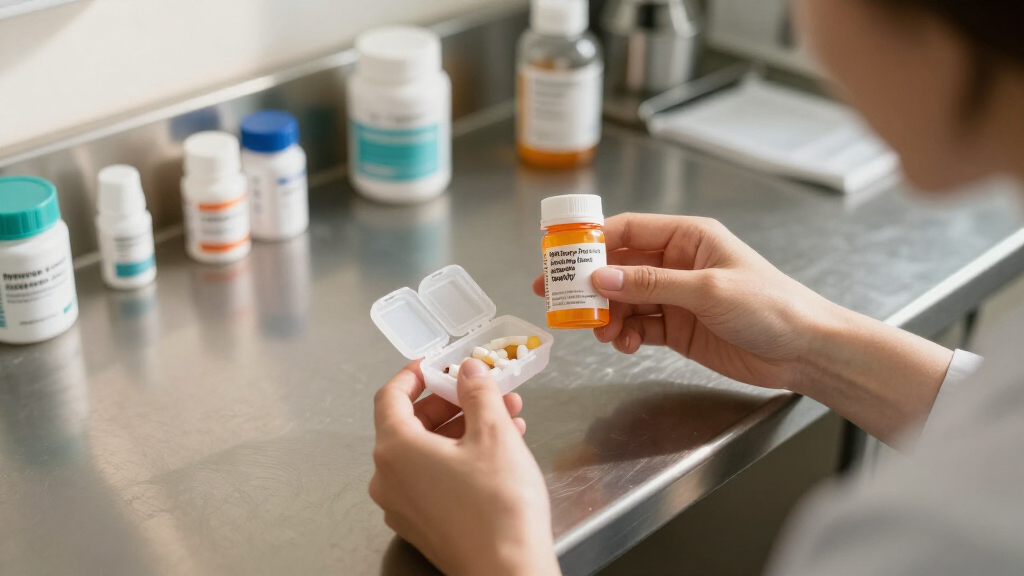
Store all medications securely in high cabinets or locked containers, out of your pet’s reach. Never leave pills unattended where pets can access them, and educate family members about the risks.
What should I do if I suspect my pet has ingested antidepressants?
Contact your veterinarian or an emergency pet poison control center immediately. Do not try to induce vomiting unless instructed by a professional. Prompt treatment can be life-saving.
Are all antidepressants equally dangerous to pets?
Most antidepressants can be toxic depending on the dose and the animal’s size. Common drugs involved include fluoxetine, sertraline, and venlafaxine, but any human medication should be considered potentially hazardous.
Is there ongoing research into antidepressant toxicity in pets?
Yes, veterinary researchers are studying the prevalence, risk factors, and long-term effects of antidepressant poisoning to improve prevention and treatment strategies.
Source: rss
Fall Picks
fall essentials
As an affiliate, we earn on qualifying purchases.