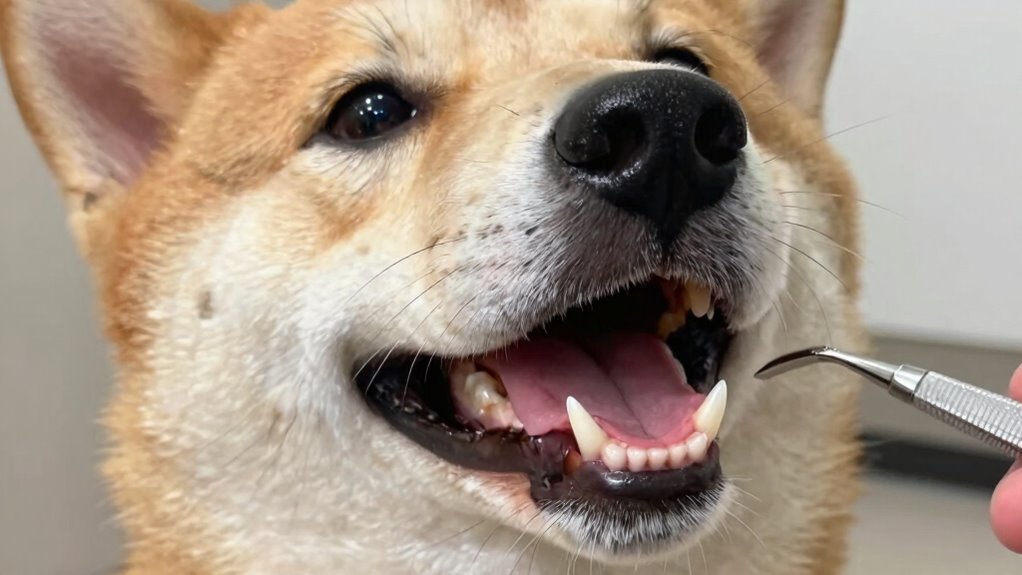

Your dog’s breath can reveal vital clues about its dental and overall health. Foul or unusual odors may signal dental disease, infections, or systemic issues like diabetes or kidney problems. Monitoring breath helps you catch health concerns early, and recognizing specific smells can guide when to seek veterinary care. Good oral hygiene and regular check-ups are essential in preventing serious health problems. Keep exploring to uncover more ways your dog’s breath can keep you informed about their well-being.

Get pet supplies delivered free — and shop member deals
- Fast, free delivery on millions of items
- Access to Prime Big Deal Days deals on October 6–7
- Prime Video, Amazon Music and more included
Key Takeaways
- Abnormal odors in your dog’s breath can reveal dental infections or systemic health issues early.
- A fruity or sweet smell may indicate diabetes, while rotten odors suggest severe dental disease.
- Regular breath monitoring helps detect dental and health problems before symptoms become severe.
- Changes in breath odor, despite regular brushing, warrant veterinary dental check-ups.
- Good oral hygiene practices reduce the risk of systemic health problems linked to dental disease.
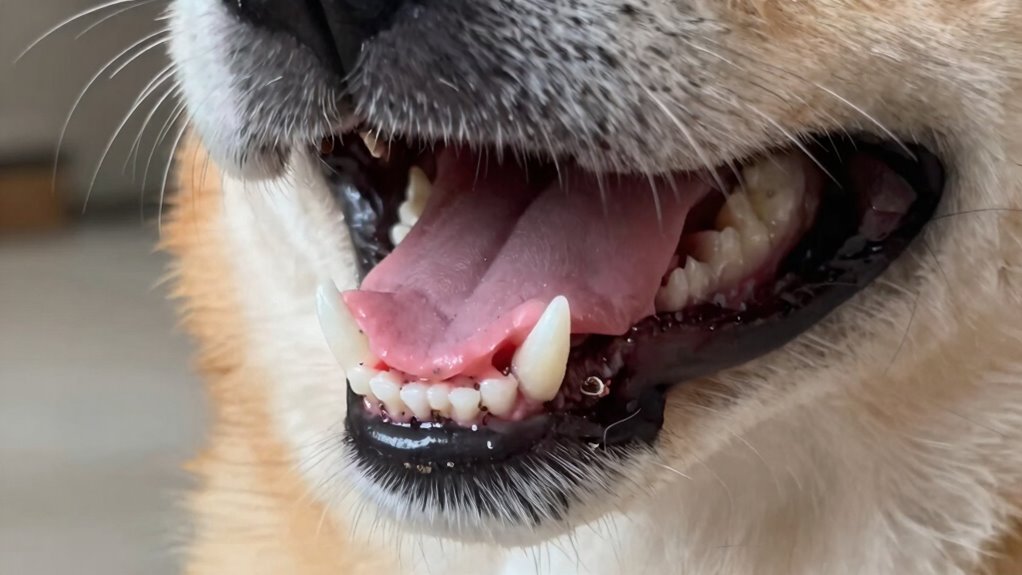
Your dog’s breath can reveal more than just what they’ve been snacking on; it often holds clues about their overall health, especially their dental well-being. When you notice a change in their breath, it’s a signal that something might be off, and paying attention to it can help catch potential issues early. Breath analysis is a simple yet effective way to assess your dog’s dental health without immediately rushing to the vet. If their breath has a foul or unusually strong odor, it may indicate dental disease, infections, or even systemic health problems. Recognizing these signs early can prevent more serious health complications down the line.
Your dog’s breath can signal health issues; early detection helps prevent serious problems and promotes overall wellness.
Good dental health is more than just fresh breath; it’s essential for your dog’s overall wellness. Poor dental hygiene can lead to plaque buildup, tartar formation, and painful periodontal disease. These conditions don’t just affect their teeth and gums—they can also impact their internal organs, including their heart, liver, and kidneys. Regularly monitoring your dog’s breath gives you an easy, non-invasive way to gauge their dental health and determine when professional cleaning or veterinary intervention might be necessary. If you notice persistent bad breath despite regular brushing, it’s time to get a professional dental check-up.
Breath analysis works because abnormal odors often signal bacterial overgrowth or other health issues. For example, a fruity or sweet smell might suggest diabetes, while a nauseating, rotten smell could point to severe dental infections. In some cases, bad breath might be a sign of gastrointestinal problems or even kidney disease. By becoming familiar with your dog’s normal breath, you can more easily detect changes and address them promptly. Regular dental care, including brushing their teeth and providing dental treats, can significantly improve their breath and overall dental health. But even with good home care, professional cleanings are vital for removing hardened plaque that can’t be eliminated with brushing alone. Maintaining good oral hygiene practices supports not only their mouth health but also systemic health, which is interconnected with their overall well-being.
Ultimately, your ability to analyze your dog’s breath is a powerful tool in maintaining their health. It’s a straightforward way to stay alert to early signs of dental issues and other underlying health problems. Being aware of proper dental hygiene practices can help you better support your dog’s oral health. Additionally, understanding how systemic health conditions can influence their breath enables you to seek timely veterinary advice. By paying attention to their breath and practicing good dental hygiene, you help ensure your furry friend stays happy, healthy, and comfortable. Remember, the sooner you respond to changes in their breath, the better chance you have of preventing painful and costly health problems later on. Your attentiveness to these subtle clues can make a significant difference in your dog’s quality of life.
dog dental chews for plaque control
As an affiliate, we earn on qualifying purchases.
As an affiliate, we earn on qualifying purchases.
Frequently Asked Questions
Can Bad Breath in Dogs Indicate Other Health Problems?
Yes, bad breath in dogs can indicate other health issues like dental plaque buildup or oral infections. When bacteria accumulate, they produce foul odors and can lead to more serious problems if untreated. Persistent bad breath might also signal underlying health conditions such as kidney disease or diabetes. Regular dental checkups help catch these problems early, ensuring your dog remains healthy and comfortable.
How Often Should I Have My Dog’s Teeth Professionally Cleaned?
You should schedule your dog’s professional cleaning every one to two years to combat dental plaque and boost oral hygiene. Regular cleanings remove stubborn tartar, prevent painful periodontal issues, and promote fresh breath. Keep an eye on your pup’s dental health and stick to this schedule, ensuring their smile stays shiny and healthy. Consistent care keeps your canine companion comfortable, confident, and craving cuddles without the cloud of bad breath.
Are There Home Remedies to Freshen My Dog’s Breath?
Yes, there are homemade remedies for breath freshening. You can try offering your dog fresh parsley or a small piece of apple, which naturally help reduce bad odors. Brushing their teeth regularly with pet-safe toothpaste also makes a big difference. Incorporate these simple steps into your routine to improve your dog’s breath. Just remember, consistent home care supports professional cleanings and keeps your pup’s mouth healthier overall.
What Signs of Dental Disease Should I Watch For?
Did you know nearly 80% of dogs develop dental disease by age three? Watch for signs like bad breath, plaque buildup, and gum inflammation. If your dog hesitates to eat, paw at their mouth, or has bleeding gums, these are red flags. Early detection helps prevent pain and more serious health issues. Regular check-ups and dental care are key to keeping your dog healthy and comfortable.
Does Diet Affect My Dog’s Oral Health and Breath?
Yes, diet impact plays a significant role in your dog’s oral health and breath. Nutritional choices can either support healthy teeth and gums or contribute to plaque buildup and bad odor. Feeding your dog high-quality, dental-friendly foods and avoiding sugary treats helps reduce tartar and bacteria. Regularly offering dental chews or toys also promotes cleaner teeth, ensuring fresher breath and healthier gums. Proper diet and nutrition are essential for maintaining your dog’s oral hygiene.
As an affiliate, we earn on qualifying purchases.
Conclusion
So, next time your dog breathes on you, remember it’s more than just a sniff—it’s a clue to their health. Don’t ignore persistent bad breath; think of it as a warning sign, like a yellow light before a stop. Regular vet visits and dental care can keep their breath fresh and their health on track. After all, a healthy pup means more joyful moments together, not missed signals or surprise vet bills.
As an affiliate, we earn on qualifying purchases.
As an affiliate, we earn on qualifying purchases.
Fall Picks
fall essentials
As an affiliate, we earn on qualifying purchases.