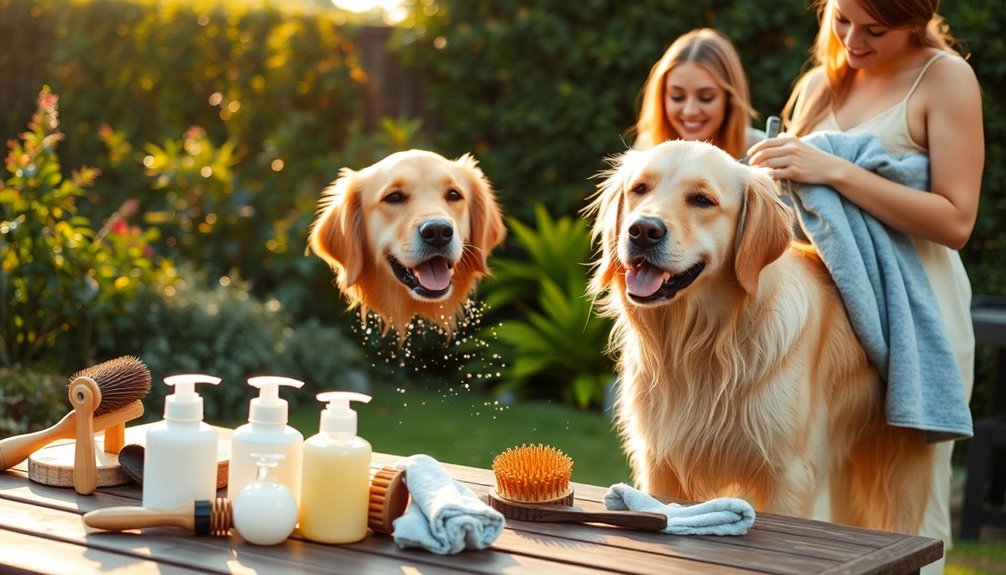

You should generally wash your dog every 1 to 3 months, but this can vary based on breed and lifestyle. For example, oily-coated breeds like Retrievers may need baths every few weeks, while short-haired dogs can go up to three months between washes. Be cautious not to overbathe your dog, as it can strip their natural oils and lead to skin issues. Regular brushing can help maintain coat health between baths. Using the right shampoo is also essential. If you're unsure about your dog's grooming needs, there's more to discover that can help keep them happy and healthy.
Listen free for 30 days with Audible
Thousands of audiobooks and originals — cancel anytime.
As an affiliate, we earn on qualifying purchases.
Key Takeaways
- Most dogs should be bathed every 1-3 months, with frequency adjusted for coat type and activity level.
- Oily-coated breeds may require baths every few weeks, while short-haired dogs can go up to 3 months.
- Double-coated breeds should be bathed every 1-2 months, especially during shedding seasons.
- Overbathing can strip natural oils and lead to skin irritation, so limit baths to no more than weekly.
- Use dog-specific shampoos with moisturizing ingredients, avoiding harsh cleansers and artificial fragrances for optimal skin health.
Importance of Bathing and Grooming
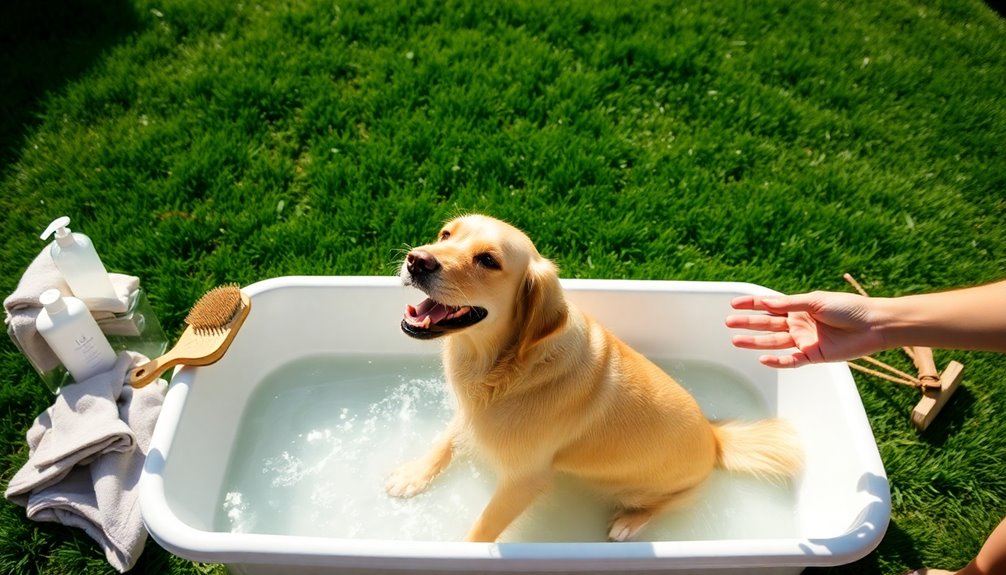
When you prioritize bathing and grooming your dog, you're not just keeping them clean; you're also promoting their overall health.
Regular grooming prevents matting and skin issues while enhancing your dog's hygiene and comfort. Bathing removes dirt and debris, allowing their skin to breathe and preventing infections caused by clogged pores.
By distributing natural oils throughout the coat, grooming enhances hydration and leaves a pleasant smell. Establishing a routine helps you spot potential health issues or parasites early on, ensuring your dog stays happy and healthy.
Plus, this consistent care fosters a stronger bond between you and your pet, making grooming a rewarding experience for both of you.
Bathing Frequency Guidelines
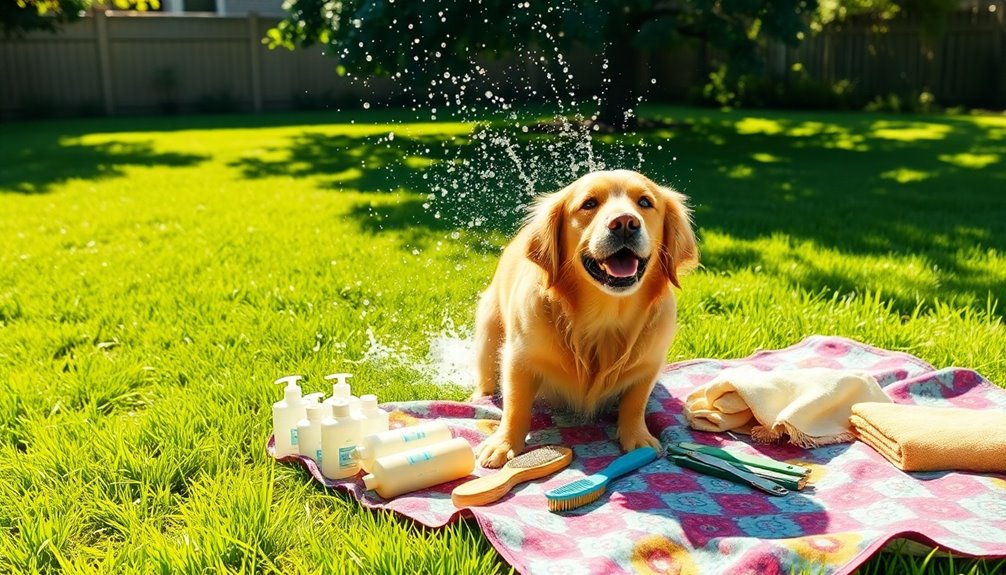
Determining how often to bathe your dog can vary greatly based on their breed, coat type, and lifestyle. Most dogs need bathing every 1-3 months, with the ASPCA suggesting a baseline of once every three months for cleanliness.
Dogs with oily coats, like Retrievers, often require baths every few weeks, while short-haired breeds can typically go up to three months between baths.
Double-coated breeds, such as Siberian Huskies, benefit from baths every 1-2 months, especially during shedding seasons.
Puppies should ideally be bathed once a month to protect their skin and natural oils.
Finally, active dogs or those with specific skin conditions may need weekly baths to manage dirt and maintain healthy coats effectively.
Risks of Overbathing
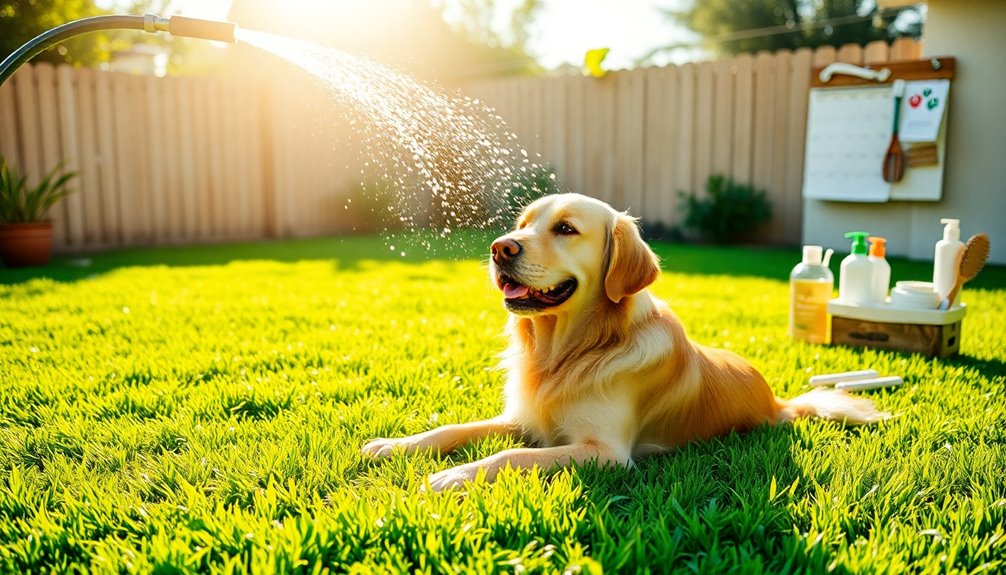
Overbathing your dog can lead to serious skin issues, as washing them more than once a week often strips away their natural oils. This excessive washing compromises the moisture barrier, making your dog more susceptible to skin irritation and infections. Regular brushing is a great alternative, helping to keep your dog clean without frequent baths.
| Issue | Effect of Overbathing | Recommendation |
|---|---|---|
| Skin Irritation | Increased dryness | Limit baths to weekly |
| Skin Infections | Weakened moisture barrier | Maintain microbiome balance |
| Dermatological Issues | Disruption of natural oils | Use medicated shampoos only as directed |
Choosing the Right Shampoo
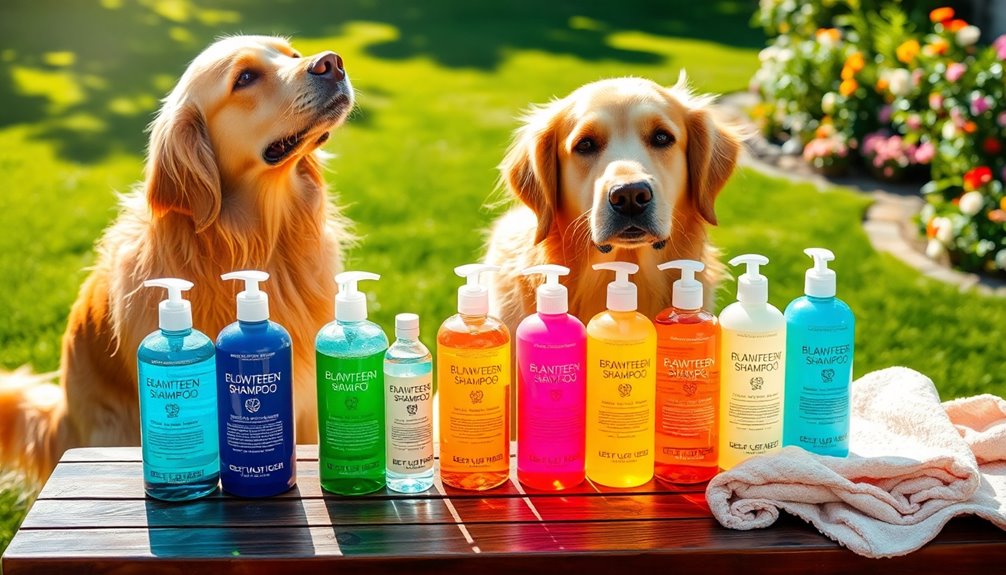
Choosing the right shampoo for your dog is crucial for maintaining their skin health, especially since their skin requires different care than ours.
Always opt for shampoos specifically formulated for dogs, as their skin pH ranges from 6.5 to 7.5. Avoid harsh cleansers like sulfates to prevent skin irritation.
Consider the following when selecting a shampoo:
- Look for moisturizing formulas with oatmeal or aloe vera for normal to dry skin.
- For oily or problematic skin, consult your vet for medicated shampoo recommendations.
- Use a conditioner post-bathe to hydrate and detangle your dog's coat.
- Confirm the shampoo is free from artificial fragrances.
- Choose a product that matches your dog's specific grooming needs. Regular grooming can also support healthy skin and coat maintenance, contributing to overall well-being.
When to Consult a Groomer
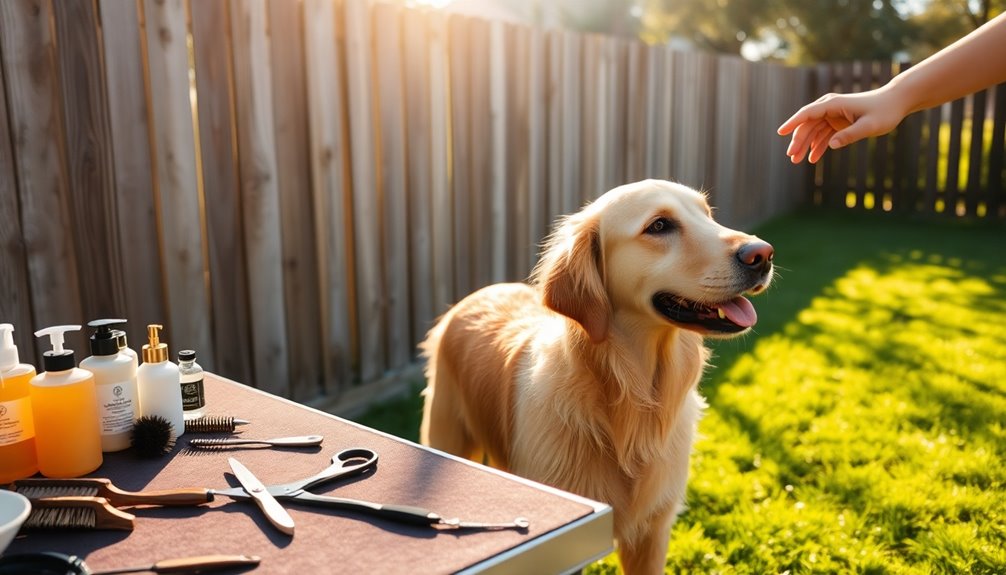
Knowing when to consult a groomer can make a big difference in your dog's grooming routine and overall well-being.
If you notice matting, excessive shedding, or unpleasant odors, it's time to seek a professional groomer. They can assess your dog's coat type and provide tailored grooming needs that suit your pet's breed characteristics and individual health.
Additionally, if your dog shows behavioral changes, like anxiety during grooming, a groomer can guarantee a stress-free experience. For breeds that require specific trims or maintenance, professional groomers offer breed-specific cuts and specialized care. Furthermore, regular grooming can support your dog's overall emotional intelligence, enhancing their well-being and social behavior.
Frequently Asked Questions
How Often Should a Dog Be Groomed and Bathed?
You should groom your dog regularly to keep its coat healthy and free of mats.
For long-coated breeds, aim for every 6-8 weeks, while short-coated dogs can go 8-10 weeks between grooming sessions.
Regular brushing at home is essential, too, as it reduces shedding and helps spot skin issues early.
Bathing frequency varies; active dogs or those with oily coats might need baths every few weeks, while others can wait longer.
What Is Rule #1 for Grooming a Dog?
Did you know that regular grooming can reduce shedding by up to 90%?
Rule #1 for grooming your dog is to brush their coat regularly. This practice not only removes loose hair and dirt but also prevents matting, which is essential for maintaining your dog's coat health.
Choose the right tools based on your dog's coat type, and create a positive grooming experience with treats and praise to keep them relaxed and happy.
Is It Okay to Bathe a Dog Once a Week?
Bathing your dog once a week isn't usually advisable. It can strip their skin of essential oils, leading to dryness and irritation.
Instead, most dogs do best with baths every 1-3 months, depending on their coat type and lifestyle. If your pup's particularly active or has skin issues, they might need more frequent baths, but it's wise to consult your vet first.
Regular brushing can help keep their coat clean in between baths.
How Often Should Dogs Be Washed?
When you're thinking about how often to wash your dog, consider their coat type and lifestyle.
Generally, dogs with oily coats might need baths every few weeks, while short-haired breeds could go longer between washes.
Pay attention to how dirty or smelly they get, as that'll help you decide when it's time for a bath.
Conclusion
In the grand tapestry of pet care, regular bathing and grooming weave together the threads of health and happiness for your furry friend. By finding the right rhythm for washing, you'll keep your dog's coat shiny and skin healthy, like a well-tended garden. Remember, a little TLC goes a long way, so don't hesitate to seek the help of a groomer when needed. Your dog deserves to strut their stuff feeling fresh and fabulous!
Fall Picks
fall essentials
As an affiliate, we earn on qualifying purchases.