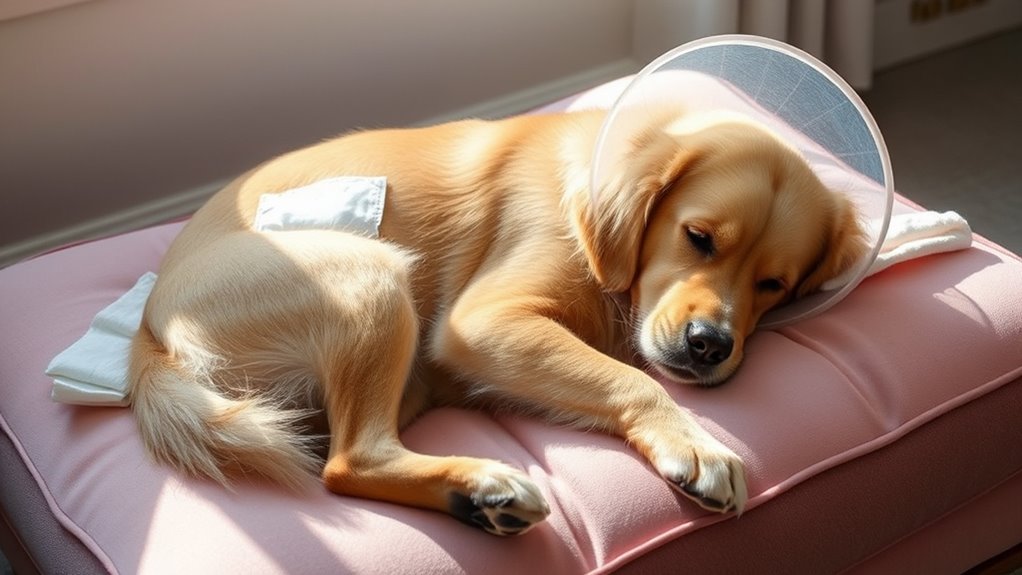

After your dog’s surgery, focus on managing their pain with prescribed medications and monitor for any signs of discomfort. Limit activity by restricting movement and using confinement if needed, to protect the surgical site. Keep the wound clean and dry, check regularly for signs of infection, and prevent licking with an Elizabethan collar. Provide a quiet, comfortable space for rest and ensure you follow your vet’s instructions closely; further tips for a smooth recovery are just ahead.
Play games included with Prime
Start a Prime free trial and play with Amazon Luna on your devices.
As an affiliate, we earn on qualifying purchases.
Key Takeaways
- Follow veterinarian instructions for pain management, monitoring for signs of discomfort or complications.
- Restrict activity and avoid running, jumping, or playing to prevent wound strain.
- Check the surgical site daily for swelling, redness, discharge, and keep it clean and dry.
- Provide a quiet, comfortable space for rest, and use an Elizabethan collar if needed to prevent licking.
- Communicate regularly with the veterinarian and seek help if your dog shows persistent pain, lethargy, or refusal to eat.
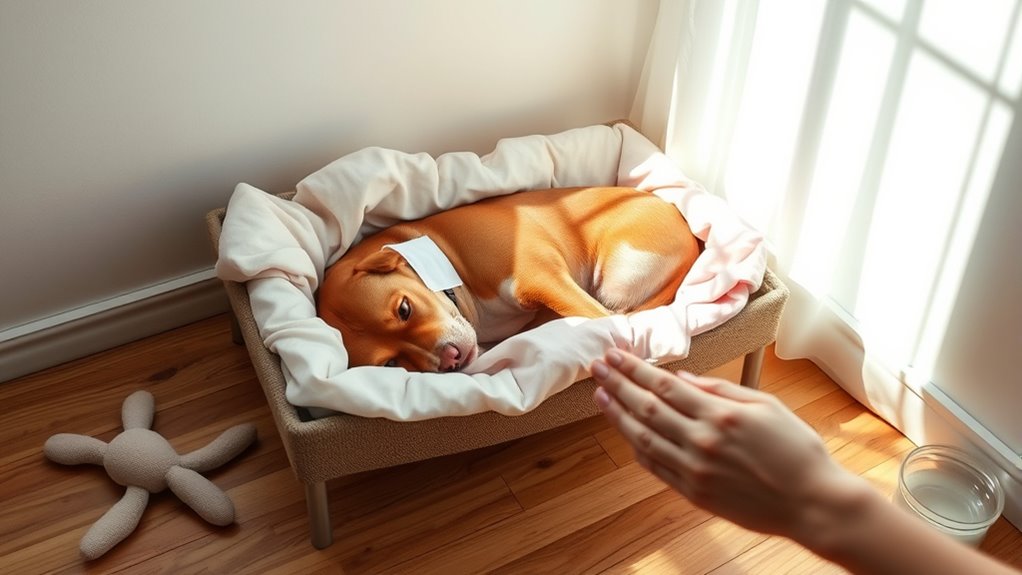
After your dog undergoes surgery, proper recovery is essential to guarantee healing and prevent complications. One of your main concerns will be managing your dog’s pain effectively, which is crucial for their comfort and to reduce stress during recovery. Your veterinarian may prescribe pain medications or suggest alternative methods like cold packs to help ease discomfort. It’s important to follow the dosing instructions closely and monitor your dog for any signs of excessive pain, such as whimpering, restlessness, or reluctance to move. Addressing pain promptly not only makes your dog more comfortable but also encourages gentle activity, which is vital for healing.
Proper pain management after surgery ensures your dog’s comfort and promotes healing.
Alongside pain management, you must enforce activity restrictions strictly. Your veterinarian will likely advise limiting your dog’s movement to prevent strain on the surgical site. This means no running, jumping, or playing unsupervised. You might need to confine your dog to a small, quiet space or use a crate to restrict movement when you can’t directly supervise them. Activity restrictions help avoid reopening wounds, internal bleeding, or other complications that can hinder recovery. Even though your dog may seem eager to resume normal activities, resist the temptation to let them overexert themselves. Patience during this phase is key to ensuring a smooth healing process.
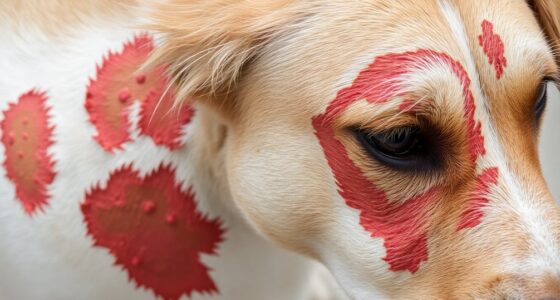
Monitoring your dog closely is another critical aspect. Check the surgical site daily for signs of infection, such as swelling, redness, discharge, or foul odor. Keep the area clean and dry, and follow your vet’s instructions regarding wound care. If your dog starts to lick or chew at the stitches, you may need to use an Elizabethan collar to prevent further irritation or injury. Additionally, observe their behavior for signs of discomfort or unusual lethargy. If your dog shows persistent pain, refuses to eat, or displays any signs of distress, contact your veterinarian immediately. Prompt attention to these signs can prevent minor issues from escalating into serious problems. Incorporating proper wound care is essential for a successful recovery.
Ensuring your dog gets plenty of rest is also essential. Provide a comfortable, quiet space where they can recover without disturbance. Encourage short, gentle walks only if your vet approves, and keep activities minimal. Proper rest supports the healing process, helping tissues repair and regain strength. Throughout recovery, maintain regular communication with your veterinarian, update them on your dog’s progress, and follow their advice diligently. This proactive approach will help your dog recover as smoothly as possible, minimizing discomfort and preventing setbacks. Remember, patience and careful supervision during this critical time are the best gifts you can give your furry friend.
As an affiliate, we earn on qualifying purchases.
Frequently Asked Questions
How Can I Tell if My Dog Is in Pain After Surgery?
You can tell if your dog is in pain after surgery by watching for pain indicators and behavioral cues. Look for signs like whimpering, restlessness, or pacing, which suggest discomfort. Also, observe if your dog avoids touching the surgical area, shows changes in appetite, or becomes more withdrawn. These cues help you identify pain early, so you can consult your vet for appropriate pain management and make certain your dog’s comfort and recovery.
Are There Specific Signs of Infection to Watch For?
Did you know that about 10% of surgical-site infections in dogs are detected early? Watch for signs like wound redness, swelling, or discharge, which can indicate infection. If you notice any of these, contact your vet promptly. Early intervention can prevent complications. Keep an eye on your dog’s incision site daily, and don’t hesitate to seek professional advice if anything seems abnormal.
When Should I Schedule Follow-Up Veterinary Visits?
You should schedule follow-up veterinary visits immediately after surgery, especially for post-op checkups. Typically, your vet recommends a checkup within a week to monitor healing and address any concerns. Keep an eye on your dog’s behavior and incision site, and if you notice issues, don’t postpone scheduling appointments. Regular follow-ups ensure your dog recovers smoothly and prevent complications, giving you peace of mind during their recovery.
Can My Dog Resume Exercise Immediately After Recovery?
Imagine your dog’s recovery as a delicate flower slowly opening. You shouldn’t rush into full activity levels right after recovery. Keep exercise restrictions tight—short, gentle walks only—and gradually let them blossom back into their playful self. Pushing too soon risks setbacks. Follow your vet’s guidance, and remember, patience today nurtures a stronger, healthier dog tomorrow. Let their activity levels bloom slowly, just like that fragile flower.
What Are Common Behavioral Changes Post-Surgery?
You might notice behavioral shifts and mood alterations in your dog after surgery. They could become more withdrawn, irritable, or anxious, or display less interest in play and interaction. These changes are common as your dog adjusts physically and emotionally. Be patient and gentle, offering reassurance and a calm environment. Consult your vet if these behaviors persist or worsen, ensuring your dog feels safe and supported during recovery.
As an affiliate, we earn on qualifying purchases.
Conclusion
Just like a delicate flower needs gentle tending, your dog’s recovery depends on your care. Be patient, keep their environment calm, and follow your vet’s instructions closely. Offer plenty of love and encouragement, and watch as they heal and regain their strength. Remember, your attentive care is the steady hand guiding them back to health. With your support, your furry friend will bounce back faster than you think, feeling safe and loved every step of the way.
As an affiliate, we earn on qualifying purchases.
As an affiliate, we earn on qualifying purchases.
Fall Picks
fall essentials
As an affiliate, we earn on qualifying purchases.