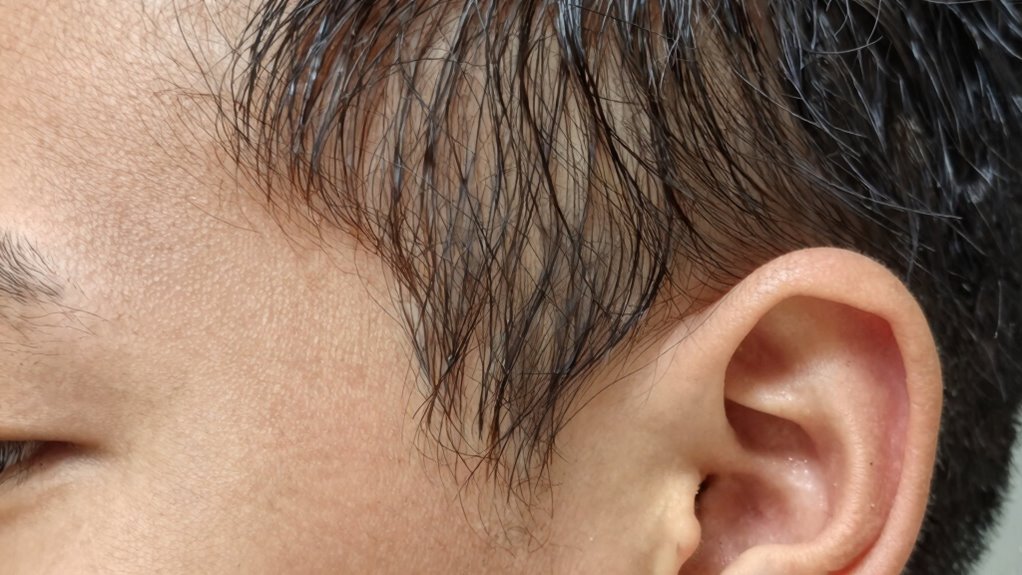

Matting behind your pet’s ears isn’t just about appearance; it often signals underlying skin issues like allergies, infections, or parasites that cause scratching and irritation. Poor grooming, combined with skin problems, makes hair tangle and mat more easily. The area behind the ears is prone to collecting dirt and oils, which worsens the situation. If you want to understand the true cause and how to prevent it, keep exploring—there’s more to discover.

Get pet supplies delivered free with Prime
- Fast, free delivery on millions of items
- Prime Video, Amazon Music and more included
- Member-only deals all year
Key Takeaways
- Skin irritation, allergies, or infections behind the ears can cause scratching and lead to matting.
- Poor grooming routines allow tangles to form and tighten into dense mats behind the ears.
- Excess oils, dirt, and debris accumulation behind the ears contribute to hair sticking together.
- Underlying skin conditions make the coat more prone to tangling and mat formation.
- Inadequate skin health and lack of regular checks hinder early detection and prevention of mats.
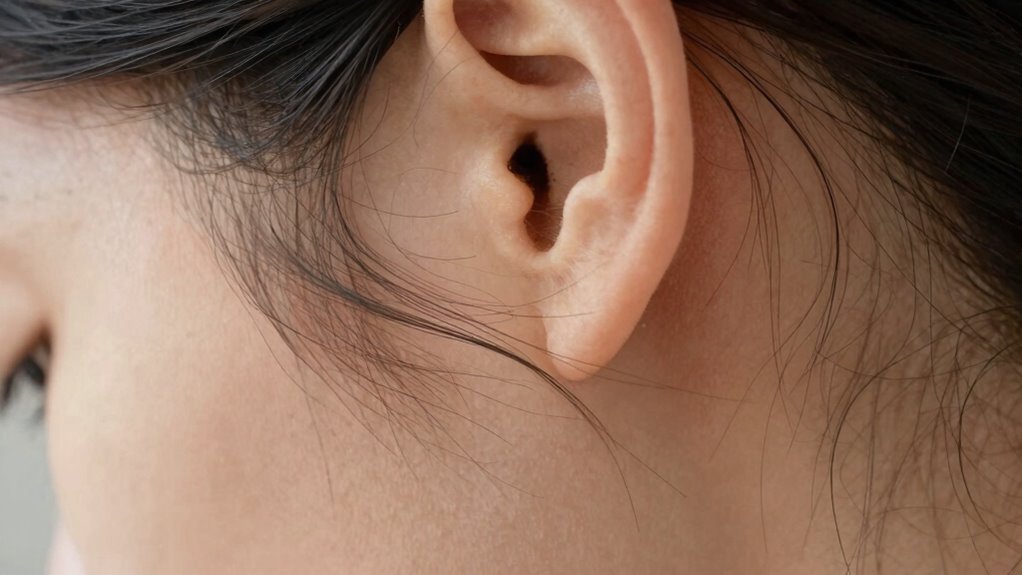
Many pet owners notice mats forming behind their dog’s or cat’s ears but don’t realize the underlying cause. These mats aren’t just a cosmetic issue; they often signal deeper skin or coat health problems. When hair care routines aren’t keeping up, or if your pet’s skin health is compromised, hair can become prone to tangling and matting, especially in areas like behind the ears where hair tends to be finer or more prone to friction. Understanding what leads to this specific problem helps you prevent discomfort and maintain your pet’s overall well-being.
The area behind the ears is a common spot for matting because it’s a natural place for hair to gather dirt, oils, and debris. If your pet has a thick or long coat, neglecting regular grooming can cause hair to intertwine and form dense mats quickly. But beyond simple neglect, underlying skin health plays a crucial role. If your pet’s skin is irritated, oily, or dry, the hair becomes more likely to stick together and form mats. Poor skin health can result from allergies, infections, or parasites, all of which may cause scratching or excessive grooming, further worsening the problem. Additionally, skin conditions can directly impact the quality of your pet’s coat, making it more susceptible to matting. Regular health checks and early intervention can help address these issues before they lead to severe matting. Taking steps to improve skin health can significantly reduce the likelihood of mats developing.
Good hair care is essential to combat this issue. Regular brushing helps remove loose hair, distribute natural oils, and prevent tangles from tightening into mats. It also provides an opportunity to check behind the ears for signs of redness, swelling, or irritation. When you incorporate consistent grooming into your pet’s routine, you promote healthier hair and skin, reducing the chances of mats forming. Use gentle, pet-specific brushes and shampoos designed to improve skin health, especially if your pet has sensitive skin or is prone to dryness. Proper grooming routines are key to maintaining a healthy coat and preventing mats from developing over time.
Pay attention to your pet’s skin health overall. If you notice excessive scratching, redness, or flaky patches, it’s time to consult with your veterinarian. Addressing underlying skin issues not only improves your pet’s comfort but also makes hair care routines more effective. A balanced diet rich in omega fatty acids can also support healthy skin and shiny coat, helping prevent matting from developing in the first place. Regularly inspecting and caring for your pet’s skin can make a noticeable difference in reducing matting behind the ears and other areas prone to tangles.
pet grooming brush for sensitive skin
As an affiliate, we earn on qualifying purchases.
As an affiliate, we earn on qualifying purchases.
Frequently Asked Questions
Can Matting Behind the Ears Indicate a Skin Infection?
Yes, matting behind your ears can indicate a skin infection, especially if you notice redness, swelling, or discomfort. Poor hair hygiene and skin irritation often contribute to this issue, allowing oils, dirt, and bacteria to build up. If left untreated, it may worsen or lead to more serious infections. You should clean the area gently, maintain good hygiene, and consult a healthcare professional if symptoms persist or worsen.
How Often Should I Check Behind My Ears for Matting?
You should check behind your ears at least once a week as part of your hair care and grooming routines. Regular inspections help you catch any matting early, which can prevent discomfort and potential skin issues. Pay attention to areas prone to buildup, especially if you have long hair or tend to sweat. Incorporating these checks into your routine guarantees proper hygiene and keeps your skin healthy.
Are Certain Hair Types More Prone to Matting Behind the Ears?
Certain hair textures are more prone to matting behind your ears, like fine or curly hair, which can tangle easier than straight hair. Think of it like a tangled ball of yarn—some textures knot faster. Your hair care routines play a big role; regular gentle brushing and proper moisturizing help prevent mats. By understanding your hair texture and adjusting your routine, you can keep behind your ears smooth and tangle-free.
Does Diet Influence the Development of Hair Matting Behind Ears?
Yes, your diet can influence hair matting behind your ears. Nutritional deficiencies, like lacking vitamins A, E, or biotin, can weaken hair and make it prone to tangling. Hair texture also matters; coarse or curly hair is more likely to mat. Eating a balanced diet rich in essential nutrients supports healthier hair, reducing the chances of matting. Proper hydration and good hygiene further help keep your hair smooth and manageable.
Can Stress Cause Increased Matting Behind the Ears?
Yes, stress effects can definitely lead to increased matting behind your ears. When you’re stressed, your hair may weaken, causing hair loss and tangles to form more easily. This buildup can hide the roots, making hair prone to matting in tricky areas. So, if you notice more tangles, it’s a sign that stress might be impacting your hair’s health, urging you to find ways to relax and restore balance.
dog or cat shampoo for skin allergies
As an affiliate, we earn on qualifying purchases.
As an affiliate, we earn on qualifying purchases.
Conclusion
Now that you know the hidden cause of matting behind your pet’s ears, the mystery isn’t fully solved. There’s a chance that what’s lurking beneath could lead to unexpected discomfort or health issues if left unchecked. Are you prepared to discover the truth and take action before it’s too late? Don’t wait—your pet’s comfort and well-being depend on the secrets you’re about to reveal. The next step might surprise you.
As an affiliate, we earn on qualifying purchases.
As an affiliate, we earn on qualifying purchases.
Fall Picks
fall essentials
As an affiliate, we earn on qualifying purchases.