
You need to clean your dog’s face daily if they have breeds with flat faces, wrinkles, or prominent eyes. These dogs are prone to dirt, tear stains, and bacteria buildup, which can cause infections, discomfort, or skin issues. Regular cleaning helps prevent these problems and promotes overall health. Using gentle products and proper techniques makes it quick and easy. To understand more about how to keep your dog safe and comfortable, keep exploring.

Get pet supplies delivered free with Prime
- Fast, free delivery on millions of items
- Prime Video, Amazon Music and more included
- Member-only deals all year
Key Takeaways
- Breeds with facial folds or wrinkles are prone to bacteria and yeast buildup, requiring daily cleaning to prevent infections.
- Dogs with tear staining or prominent eyes need regular face cleaning to manage discoloration and underlying eye issues.
- Sensitive skin breeds are more susceptible to irritation, making daily cleaning essential for comfort and skin health.
- Removing dirt, debris, and drool daily helps prevent skin infections and bad odors around the face.
- Regular cleaning allows early detection of health problems like tear duct issues or skin conditions, promoting overall well-being.
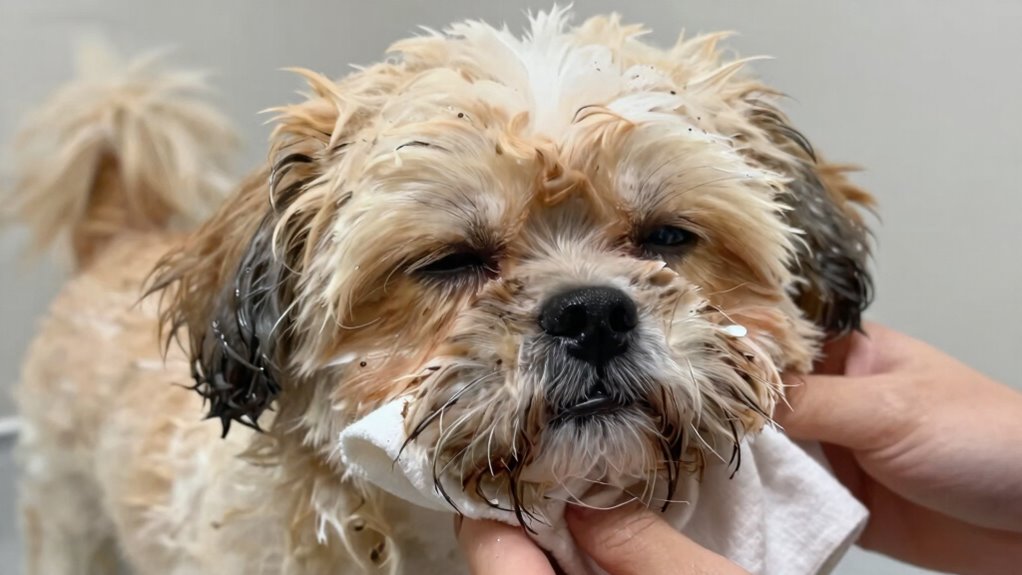
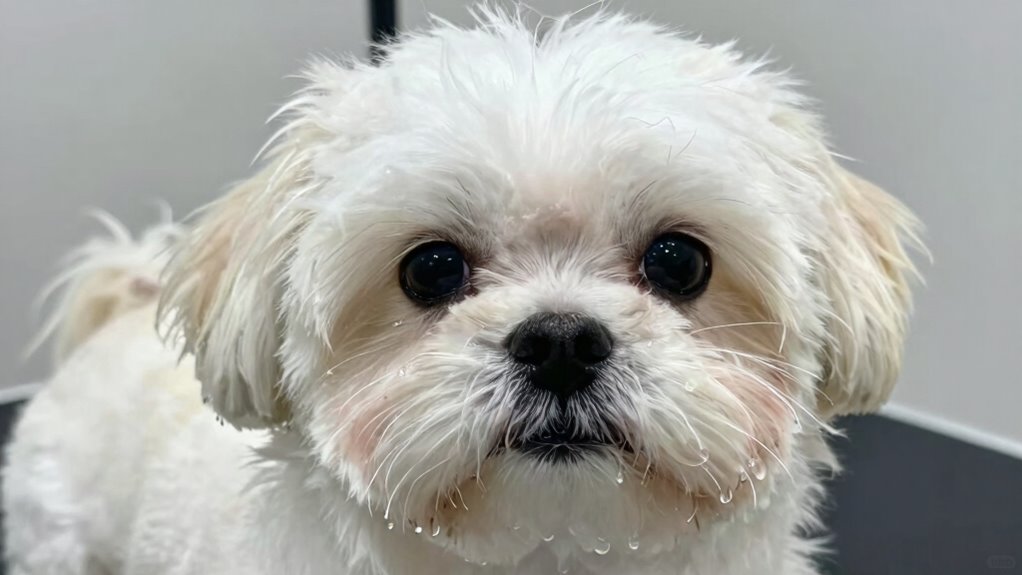
Have you ever wondered why some dogs need their faces cleaned daily? The answer lies in understanding facial hygiene and breed sensitivities. Many breeds, especially those with short noses or flat faces like Bulldogs, Pugs, and Shih Tzus, tend to accumulate dirt, tear stains, and drool around their facial folds. Without regular cleaning, this buildup can lead to infections, bad odors, and discomfort. For these dogs, maintaining facial hygiene isn’t just about keeping them looking good; it’s essential for their health and comfort.
Regular face cleaning is vital for breeds with flat faces to prevent infections and discomfort.
Breed sensitivities play a significant role in why daily face cleaning becomes necessary. Some breeds have delicate skin that’s more prone to irritation or infections if not properly cared for. For example, dogs with folds or wrinkles are more susceptible to bacteria and yeast growth in the moist, warm areas of their faces. If you neglect to clean these areas regularly, you risk causing skin infections or worsening existing skin conditions. On the other hand, breeds with longer hair around their faces, like Beagles or Cocker Spaniels, may also require daily cleaning to prevent dirt and debris from accumulating and causing irritation. Proper facial hygiene can help reduce the risk of bacterial growth and other health issues. Regular cleaning also helps in preventing bacterial growth, which is crucial for their overall health.
Facial hygiene also involves more than just removing dirt. It includes wiping away tear stains, which are common in certain breeds with prominent eyes, like Pugs and Bulldogs. These stains can stain fur but also indicate underlying issues such as tear duct problems or allergies, which might require veterinary attention. If you ignore tear stains or let dirt sit on your dog’s face, it could lead to more serious skin issues or eye infections. Regular cleaning helps you catch these problems early and keeps your dog comfortable and healthy. Additionally, understanding the importance of bacterial growth prevention can help you maintain your dog’s overall health and avoid more serious complications.
You might think that grooming only involves brushing or bathing, but caring for your dog’s face is just as important. Use gentle, vet-approved wipes or a soft cloth dampened with warm water to clean around the eyes, nose, and mouth. Be careful not to use harsh chemicals or soaps that could irritate sensitive skin. For breeds with specific sensitivities, consult your vet about suitable cleaning products. Daily face cleaning can be quick and simple, but the benefits are significant: fewer infections, less discomfort, and a happier, healthier pet.
dog face cleaning wipes for tear stains
As an affiliate, we earn on qualifying purchases.
As an affiliate, we earn on qualifying purchases.
Frequently Asked Questions
What Are Signs My Dog Needs Daily Face Cleaning?
You’ll notice your dog shows signs like unusual facial expressions or tear staining that indicate a need for daily face cleaning. If your dog’s eyes are constantly watery or stained, it can lead to irritation. Additionally, if their face appears dirty or has a foul smell, regular cleaning helps prevent infections. By paying attention to these signs, you can keep your dog comfortable, healthy, and looking their best every day.
Can Face Cleaning Prevent Dog Allergies?
Yes, regular face cleaning can help prevent dog allergies by maintaining good facial hygiene. When you clean your dog’s face daily, you remove dirt, pollen, and other allergens that can trigger reactions. This practice reduces irritation and allergy symptoms, especially around sensitive areas like eyes and nose. Consistent facial hygiene not only keeps your dog comfortable but also minimizes allergy risks for both your pet and your family.
What Products Are Safest for Dog Face Cleaning?
For safe dog face cleaning, choose gentle, veterinarian-approved products designed specifically for facial hygiene. Look for mild, fragrance-free wipes or cleansers that won’t irritate your dog’s skin. During dog grooming, avoid harsh chemicals and focus on products formulated for sensitive areas. Always read labels carefully and consult your vet if you’re unsure. Regular facial hygiene helps prevent infections and keeps your dog comfortable and healthy.
How Often Should I Clean My Dog’s Face?
You should clean your dog’s face daily if they have facial wrinkles, long hair, or are prone to tear stains, to maintain good facial hygiene. For other dogs, a few times a week may suffice. During dog grooming, focus on gentle cleaning to prevent infections or irritation. Regular face cleaning helps keep your dog comfortable, reduces odor, and promotes overall health. Always use safe, vet-approved products.
Are There Breeds That Require More Face Cleaning?
Yes, certain breeds require more face cleaning due to breed-specific grooming needs. Breeds like Shih Tzus, Poodles, and Bulldogs have facial folds or long hair that trap dirt and moisture, making daily facial hygiene routines essential. You should tailor your grooming routine to your dog’s breed, ensuring their face stays clean and healthy. Regular face cleaning helps prevent infections and keeps their appearance neat and comfortable.
As an affiliate, we earn on qualifying purchases.
Conclusion
While daily face cleaning might seem excessive for some dogs, it’s essential if your pup has facial folds or sensitivities. Regular cleaning helps prevent infections and keeps their skin healthy. Sure, it takes a little extra effort, but the benefits far outweigh the inconvenience. Neglecting this routine could lead to discomfort or health issues down the line—so think of it as an investment in your dog’s well-being. After all, a happy, healthy face makes for a happy pup.
gentle dog facial cleanser for sensitive skin
As an affiliate, we earn on qualifying purchases.
As an affiliate, we earn on qualifying purchases.
As an affiliate, we earn on qualifying purchases.
Halloween Picks
halloween
As an affiliate, we earn on qualifying purchases.