TL;DR

Get pet supplies delivered free with Prime
- Fast, free delivery on millions of items
- Prime Video, Amazon Music and more included
- Member-only deals all year
The ASPCA is highlighting its 160-year history in 2026, tracing a shift from protecting working dogs to supporting shelter care, rehabilitation, veterinary services, fostering and adoption. The organization reports that 2.8 million dogs entered U.S. shelters in 2025, and says its programs include relocation, clinical care and partnerships with shelters.
The ASPCA is marking 160 years by tracing how its work with dogs has expanded from protecting animals used to haul carts in 19th-century New York to supporting shelter care, rehabilitation, veterinary services and adoption. The account comes as U.S. shelters face continuing demand: the organization says 2.8 million dogs entered shelters in 2025.
Founded in 1866, the ASPCA says its early dog-protection work included helping secure a New York State law in 1867 requiring licenses for dogs that pulled carts. Licensing established ownership as well as regulating working dogs. The rules later extended to pet dogs, and the organization administered New York City’s dog-licensing program for roughly a century. By the mid-20th century, it licensed as many as 250,000 dogs a year, with fees helping fund sheltering and rescue work, according to the ASPCA.
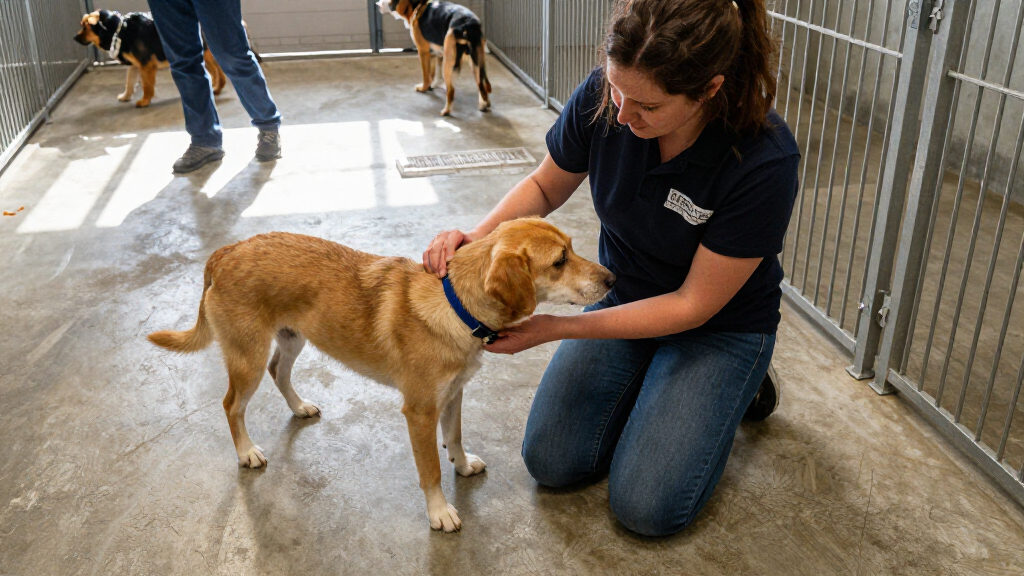
The organization describes a major change in shelter practice over time. Its early shelters housed dogs together in pens; in the last five months of 1895, it took in more than 21,000 dogs, one year after taking on New York City’s animal-care contract. Later facilities introduced individual kennel access to outdoor runs, while the ASPCA’s current Manhattan Adoption Center has spacious kennels and indoor training rooms. The organization also operates three rehabilitation facilities focused primarily on dogs recovering after rescue.
Current services include foster care, low- and no-cost veterinary services, behavior support and moving animals to communities where they may have better adoption prospects. The ASPCA reports that its Animal Relocation program moved more than 217,000 dogs among 300,000 animals relocated from 2014 through 2025. In 2025, it and ASPCA-funded clinics performed more than 129,000 spay-and-neuter surgeries for dogs and cats and provided veterinary and behavioral care for 109,000 animals.
How Shelter Support Has Expanded
The history shows how animal-welfare work has broadened from responding to visible cruelty and regulating working animals to addressing the different needs of dogs entering shelters. Medical and behavioral care, foster placements and relocation can help shelters prepare animals for adoption and connect them with potential homes, though the ASPCA’s history account does not measure how much each service changes adoption or shelter outcomes.
The scale of shelter intake gives the programs immediate relevance. The ASPCA cites 2.8 million dog intakes in 2025, while its own figures describe services reaching tens of thousands of animals and relocation of more than 217,000 dogs over 12 years. Those figures have different time periods and measures; they should not be read as a direct comparison of the organization’s share of national shelter demand.
The account also reflects a shift in how dogs are viewed: from animals whose labor required regulation and protection to companions whose welfare may depend on shelter resources, veterinary care and a suitable home. That change is central to the ASPCA’s anniversary message, while the scale of current need remains visible in shelter-intake figures.
As an affiliate, we earn on qualifying purchases.
From Cart Dogs to Adoption Centers
When the ASPCA was founded, dogs commonly worked as hunters, herders and guardians. In cities, some people who could not afford horses or donkeys used dogs to haul goods, pull carts and turn treadmills. The organization’s history says founder Henry Bergh supported the 1867 licensing law for dogs pulling carts, which also helped identify their owners.
Dog licensing later became a source of support for animal-care work. The ASPCA says it ran New York City’s program for roughly a century, before its work developed into a wider mix of sheltering, rescue and services. It also began public obedience classes in 1944; by 1964, the organization says, 20,000 owned dogs had taken part. The anniversary account links that history to current work in training and behavior support, while noting that sheltering and adoption practices have changed substantially.
““That’s why the ASPCA and other animal welfare organizations around the globe promote Adopt a Shelter Dog Month each October.””
— The ASPCA
dog rehabilitation and behavioral training products
As an affiliate, we earn on qualifying purchases.
As an affiliate, we earn on qualifying purchases.
What the History Does Not Measure
The ASPCA’s account is an organizational history and program summary, not an independent evaluation of results. It does not provide comparable year-by-year figures showing how shelter conditions, dog survival, adoption rates or returns to shelters changed over the full 160 years. The 2025 intake figure is national, while several service numbers refer to ASPCA programs or ASPCA-funded clinics and cover different periods and animal groups.
The account also does not say how many dogs were adopted as a direct result of its relocation, foster-care or fee-waived adoption efforts. It describes a campaign involving more than 500 shelters nationwide, with grants to 200 to support waived fees, but gives no campaign-specific adoption totals. Those outcomes remain unclear from the material provided.
As an affiliate, we earn on qualifying purchases.
Anniversary Campaigns Continue in 2026
The ASPCA says it will share more highlights from its history throughout 2026. Its account also points to October’s Adopt a Shelter Dog Month and describes The Rescue Effect campaign as being in its final month at the time of publication, with participating shelters receiving grant support to waive adoption fees. The source does not provide an end date or later campaign results.
For readers considering adoption, the ASPCA directs attention to shelter dogs and local animal-welfare organizations. Further updates that would clarify the campaign’s impact include the number of adoptions completed, the number of dogs served through current rehabilitation and foster programs, and any later figures on shelter intake.
As an affiliate, we earn on qualifying purchases.
Key Questions
What is the ASPCA marking in 2026?
The organization is highlighting its 160-year history throughout 2026, including its work to protect and care for dogs.
How many dogs entered U.S. shelters in 2025?
The ASPCA reports that 2.8 million dogs entered U.S. shelters in 2025. The figure is national and does not, by itself, describe adoption or shelter outcomes.
What dog services does the ASPCA currently describe?
The organization lists sheltering, rehabilitation, veterinary and behavioral care, fostering, relocation, training and adoption support among its work with dogs.
How many dogs did the ASPCA relocate?
The ASPCA says its Animal Relocation program moved more than 217,000 dogs as part of 300,000 animal relocations between 2014 and 2025.
Does the ASPCA provide results for its adoption-fee campaign?
The account says The Rescue Effect partnered with more than 500 shelters and provided grants to 200 to support fee-waived adoptions, but it does not report campaign-specific adoption totals.
Source: rss
Fall Picks
fall essentials
As an affiliate, we earn on qualifying purchases.