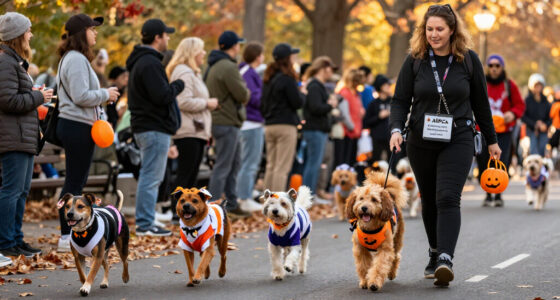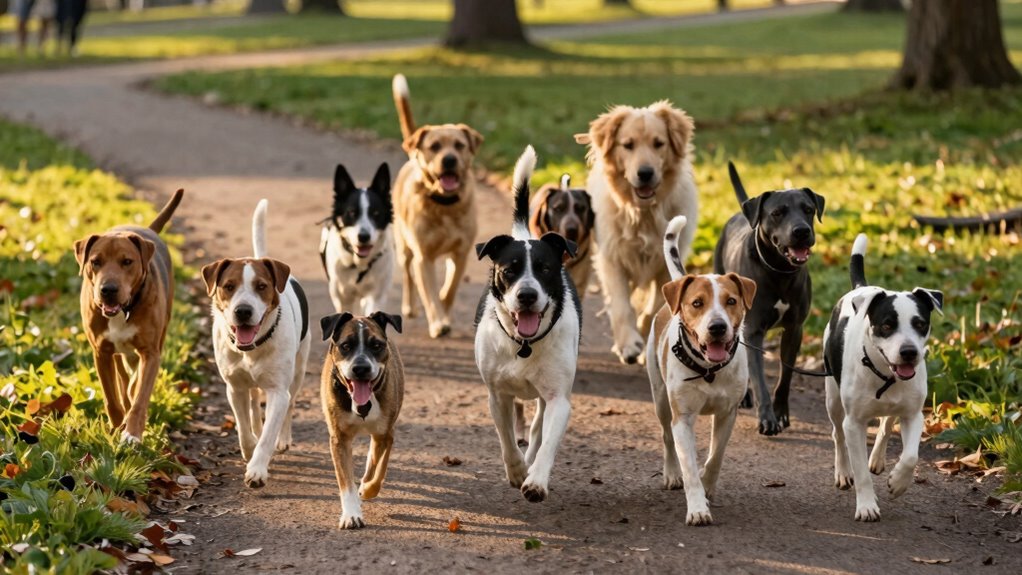
Group walks can drain your dog in unique ways because they involve more than just physical activity. Your dog faces increased mental focus, managing leash tension, social dynamics, and sensory overload from sights, sounds, and smells. This combination creates extra stress and exhaustion that’s often underestimated. Overstimulation and social tension add to mental fatigue, making the walk more draining than solo outings. Keep exploring to discover how you can help your dog handle these challenges better.

Get pet supplies delivered free with Prime
- Fast, free delivery on millions of items
- Prime Video, Amazon Music and more included
- Member-only deals all year
Key Takeaways
- Multiple dogs pulling and reacting increases physical exertion beyond solo walks.
- Managing social interactions and reactivity adds significant mental stress.
- Overstimulation from noise, scents, and movements heightens sensory overload.
- Group dynamics and hierarchy conflicts intensify social and mental fatigue.
- The combined physical and mental effort leads to more post-walk exhaustion.
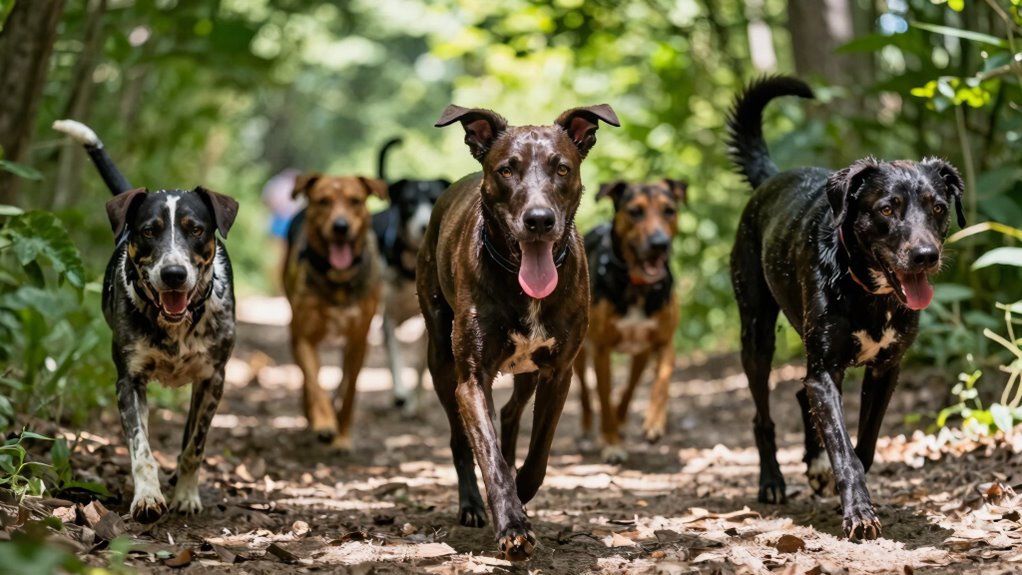
Group walks might seem like a simple way to give your dog exercise, but they can actually be more exhausting than solo outings. When you’re in a group, your dog faces a unique set of challenges that can drain their energy in ways you might not expect. One key factor is leash tension. As your dog navigates the group, they often pull or get pulled by other dogs and their owners. This constant tugging requires more physical effort and mental focus, which can tire them out faster than a solo walk. Maintaining control amid multiple dogs also demands your attention, keeping you alert to sudden pulls or changes in direction. The tension on the leash can become a physical and mental strain for your dog, especially if they’re not used to being in such a dynamic environment.
Beyond leash tension, social overstimulation plays a significant role in why group walks can be draining. Dogs are naturally social animals, but too much excitement or noise from unfamiliar dogs can overwhelm them. When your dog is surrounded by a pack, every new scent, sound, or movement adds to their sensory input. Instead of a relaxing stroll, they’re constantly processing a flood of stimuli, which can lead to mental exhaustion. Some dogs may become anxious or overly excited in these situations, and this heightened state of arousal burns energy quickly. The more overstimulated they become, the more tired they’ll feel afterward, often needing extra rest to recover from the sensory overload. Additionally, group dynamics can influence how your dog reacts and expends energy during these outings.
Furthermore, some dogs may become more reactive or defensive in a group setting, leading to additional energy expenditure as they react to perceived threats or challenges. Additionally, group size can significantly impact how draining the walk is, with larger groups often amplifying these effects. The presence of multiple dogs can also lead to social hierarchy conflicts, adding another layer of mental strain. The combination of leash tension and social overstimulation means your dog is working harder during group walks than they would on a solo stroll. You might think you’re giving them good exercise, but in reality, they could be expending more energy trying to stay calm, navigate their environment, and manage the social chaos around them. It’s no surprise that, after a group walk, your dog might be more worn out than expected, craving a quiet space to decompress.
Products Worth Considering

Dyson Ball Animal 3 Upright Vacuum

PETLIBRO Automatic Cat Feeder for Two Cats with AI Recognition Camera

PETLIBRO RFID Automatic Cat Feeder with Wi-Fi and Collar Tag Recognition
As an affiliate, we earn on qualifying purchases.
Frequently Asked Questions
How Can I Tell if My Dog Is Overwhelmed During Group Walks?
You’ll notice your dog is overwhelmed during group walks if they become tense, pant excessively, or try to pull away. Watch for signs like lip licking, yawning, or avoiding eye contact, which indicate stress. If your dog struggles with dog socialization or has poor leash manners, these signs may intensify. To prevent exhaustion, keep walks calm, observe your dog closely, and give them breaks when needed.
Are Certain Dog Breeds More Affected by Group Walk Fatigue?
Certain dog breeds are more affected by group walk fatigue, especially those with breed-specific temperaments and high energy level variations. Like delicate flowers, some breeds thrive on social activities but tire quickly when overwhelmed. For example, working breeds or those with sensitive temperaments may struggle more during lengthy walks. You need to observe your dog closely, adjusting walk durations and intensity to match their unique energy and temperament, ensuring they enjoy outings without exhaustion.
How Does the Age of a Dog Influence Its Response to Group Walks?
You’ll find that a dog’s age considerably influences its response to group walks. Younger dogs often face socialization challenges, making them more excited or anxious, which can increase leash tension and drain their energy faster. Older dogs may grow tired more quickly and prefer calmer walks. Pay attention to their cues, and adjust the pace to prevent overstimulation or fatigue, ensuring the experience remains positive for your dog.
What Training Techniques Help Dogs Handle Multiple Dogs Better?
A wise dog trainer once said, “Practice makes perfect.” To help your dog handle multiple dogs better, use socialization strategies that gradually introduce them to new canine friends, fostering confidence. Incorporate leash training techniques that teach polite walking manners amidst distractions. Keep sessions positive and consistent, reinforcing good behavior. With patience, your dog will learn to navigate group walks calmly, building their social skills and making outings more enjoyable for everyone involved.
Can Group Walks Impact a Dog’s Long-Term Behavior or Health?
Group walks can impact your dog’s long-term behavior and health by exacerbating socialization challenges and increasing leash tension. If your dog struggles with social interactions, being in a group might cause stress or anxiety, leading to behavioral issues. Additionally, leash tension from managing multiple dogs can strain their necks and joints over time, affecting their physical health. Proper training and careful group management help minimize these effects.
Conclusion
So, next time you’re planning a group walk, remember it might be more tiring for your dog than you think. While socializing is great, it can also cause extra stress and exhaustion, especially if your pup isn’t used to it. Pay attention to their cues and give plenty of breaks. By understanding how group walks affect your dog differently, you’ll help them stay happy and healthy—making every outing enjoyable for both of you.