

Dog identification tags are vital for ensuring your pet’s safe return if they get lost. They provide immediate access to your current contact information, making it easier for someone to reunite you with your furry friend quickly. Durable and properly maintained tags are essential for outdoor adventures and daily wear. Keeping your tags updated and secure increases the chances of a safe reunion. Discover more ways to protect your pet by exploring this important topic further.
Key Takeaways
- Dog identification tags significantly increase the chances of pet recovery if lost.
- They provide immediate access to vital owner contact information.
- Properly maintained tags ensure quick reunions and reduce reliance on shelters.
- Durable materials protect the tags from weather and daily wear, maintaining visibility.
- Up-to-date tags reflect current contact details, preventing lost pets from remaining unclaimed.
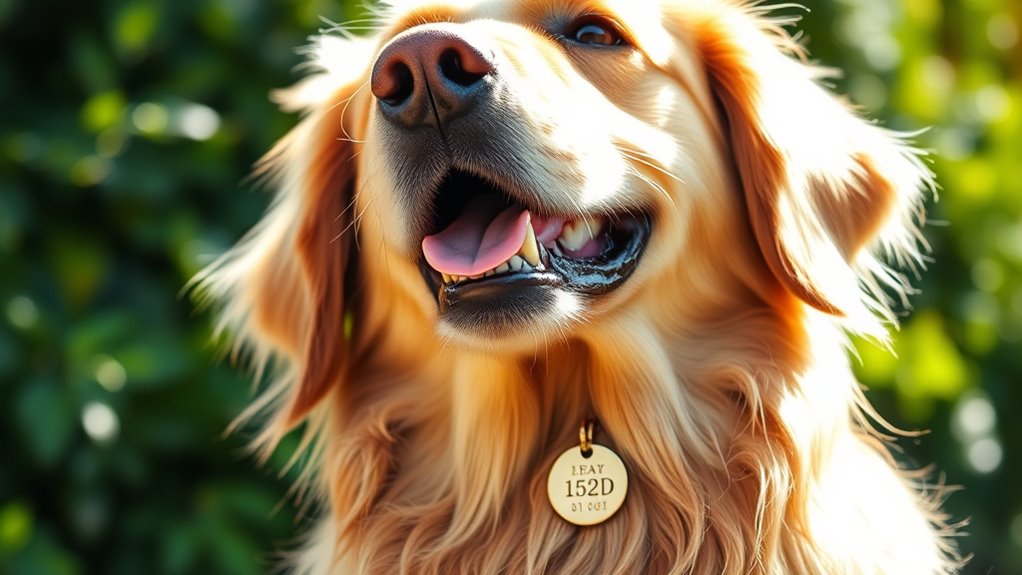
Dog identification tags are essential tools that help guarantee your pet’s safe return if they ever get lost. When your dog wanders away or slips out of your sight, a well-made tag can be the quickest way to reconnect you with your furry friend. These tags serve as a direct line of communication, carrying vital information that can lead to a successful recovery. Without a tag, a lost pet’s chances of being returned diminish significantly, especially if someone finds your dog and doesn’t have your contact details. That’s why investing in a reliable ID tag isn’t just a good idea—it’s a necessary step in responsible pet ownership.
A well-made ID tag is vital for quickly reuniting with your lost dog.
Lost pet recovery hinges on visibility and accessible information. Your dog’s tag should clearly display your current phone number, your address, or both. This ensures that anyone who finds your pet can contact you immediately, without needing to go through a shelter or veterinarian first. The quicker someone can reach you, the better your chances of a swift reunion. Also, keep your contact details up to date on the tag, particularly if you move or change your phone number. It might seem simple, but outdated info can render the tag useless when it’s most needed.
Choosing the right tag material options is another crucial aspect of effective identification. You want a tag that’s durable enough to withstand daily wear and tear, as well as outdoor elements. Common options include stainless steel, which resists rust and corrosion, and anodized aluminum, known for its lightweight yet sturdy nature. Brass is another traditional choice, offering durability and a classic look. Some pet owners opt for plastic tags, which are lightweight and come in many colors, but these may not last as long in harsh weather conditions. You’ll also want to consider whether the tag’s material can be engraved clearly and permanently, ensuring your contact details won’t fade over time. Additionally, selecting an essential oil-resistant material can help protect engraved details from potential damage caused by environmental factors.
Ultimately, your choice of tag material should match your dog’s lifestyle. Active dogs that spend a lot of time outside could benefit from stainless steel or anodized aluminum tags, which stand up to the elements. For indoor pets, a plastic or lightweight tag might suffice. Regardless of material, ensure your pet’s ID tag is securely attached to their collar, so it doesn’t fall off during play or walks. By selecting the right materials and keeping information current, you’re taking crucial steps toward safeguarding your pet and ensuring they’re quickly returned if they ever get lost.
Frequently Asked Questions
How Often Should I Update My Dog’s ID Tags?
You should update your dog’s ID tags at least once a year or whenever your contact information changes. Regular updates guarantee the tags remain accurate and effective. Microchip benefits include permanent identification, but tags are your first line of contact. Choose durable tag materials like stainless steel or aluminum to withstand wear and tear. Keeping tags current helps reunite you with your dog quickly if they get lost.
Are Engraved Tags More Durable Than Printed Ones?
Engraved tags are more durable than printed ones because engraving offers better engraving durability, resisting scratches and fading over time, even with frequent wear. Printed tags tend to have limited longevity, as the ink can fade or peel, especially when exposed to water or rough conditions. So, if you want your dog’s information to stay clear and legible longer, opt for engraved tags for lasting durability.
What Information Is Most Important to Include on the Tag?
You might believe a simple name and phone number suffice, but including your contact information and essential medical details can truly save your dog’s life. When someone finds your pet, clear, accurate contact info ensures quick reunification, while medical info like allergies or special needs guides rescuers to provide proper care. An engraved tag with this crucial info offers the best chance for your dog’s safe return and well-being.
Can I Use a Collar Tag on a Harness?
Yes, you can use a collar tag on a harness, but consider the differences between collar vs harness. Attach the tag to the collar if your harness has a dedicated ring or loop for tags. Make certain the tag is securely fastened and visible, regardless of where you place it. Proper tag placement helps confirm your dog’s ID info stays accessible during walks or emergencies.
Do ID Tags Help in Recovering Lost Dogs Faster?
Yes, ID tags help recover lost dogs faster. Microchip benefits complement tags, but tags provide immediate contact info, making it easier for someone to return your pet quickly. Lost dog statistics show many pets are recovered through visible tags before microchip scans happen. You can be confident that fitting your dog with an ID tag increases the chance of reunion, reducing stress for both you and your furry friend.
Conclusion
Remember, your dog’s identification tag is like a tiny lighthouse guiding them home through busy streets and crowded parks. It’s a bright splash of color against their fur, shining with your contact info. When they dart after a squirrel or wander off exploring, that tag becomes a beacon of hope. Keep it secure and visible — because in moments of uncertainty, it’s your dog’s safe harbor, leading them back to you with a simple, reassuring glow.