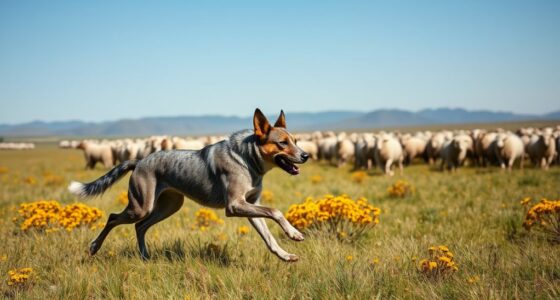
If you’re drawn to the lively, scent-driven nature of beagles, you’ll love their natural curiosity and friendly personality. These inquisitive dogs thrive on daily exercise, scent games, and mental stimulation, which helps channel their hunting instincts positively. Beagles can be a bit stubborn, so consistent training and patience work best. Their playful, social spirit makes them a perfect fit for active families. To uncover more about how to care for your curious companion, keep exploring their fascinating traits.
Key Takeaways
- Beagles are naturally curious and inquisitive, driven by their hunting and scent-tracking instincts.
- Their strong sense of smell makes them eager to explore new environments and scents.
- Consistent, positive reinforcement training helps channel their curiosity appropriately.
- Daily mental and physical stimulation prevents destructive behaviors caused by boredom.
- Early socialization and exposure to diverse environments encourage friendly and well-adjusted behavior.

Have you ever wondered what makes beagles such irresistibly curious and friendly companions? Their lively nature and affectionate demeanor make them a favorite among dog lovers. To understand what drives their curiosity and friendliness, it helps to look into their breed history and how to effectively train them. Knowing their background gives you insight into their instincts, while practical training tips help you nurture their best qualities.
Discover what makes beagles curious, friendly, and lovable—understanding their history and training helps bring out their best.
The breed history of beagles dates back centuries, originating in England. Originally, they were bred as hunting dogs, specifically for tracking small game like rabbits and hare. Their keen sense of smell and strong tracking instincts are deeply embedded in their DNA. These traits have been refined over generations, making beagles one of the most scent-oriented breeds. Their historical role as hunting companions explains their relentless curiosity—they’re naturally drawn to scents and new environments, always enthusiastic to explore. This innate inquisitiveness is part of what makes them so endearing but also means you’ll need to be proactive in training and managing their behavior.
When it comes to training tips, understanding their breed tendencies is key. Beagles are intelligent but also have a stubborn streak, which can make training a challenge if you’re not consistent. Positive reinforcement works best—reward their good behavior with treats, praise, or playtime. Because they are so scent-driven, they can easily get distracted by interesting smells, so patience and focus are essential. Short, engaging training sessions tend to work better than long ones, helping keep their attention and prevent frustration. If you’re working on commands like sit, stay, or recall, always reinforce them with rewards, and be patient—beagles can be slow to learn if they’re overly distracted or uninterested.
Another vital tip is to provide plenty of mental and physical stimulation. Beagles thrive on activity, and without enough exercise, they might channel their curiosity into less desirable behaviors, like chewing or digging. Daily walks, interactive toys, and scent games can help satisfy their natural instincts. Providing appropriate outlets for their energy can significantly reduce behavioral issues and promote their well-being. Crate training can also be beneficial, giving them a safe space and preventing them from wandering off after a tempting smell. Socialization from a young age is equally important, exposing your beagle to different people, animals, and environments to develop their friendly nature.
As an affiliate, we earn on qualifying purchases.
Frequently Asked Questions
How Long Do Beagles Typically Live?
Beagles typically live around 12 to 15 years, with their age expectancy influenced by various longevity factors. To help your beagle reach this lifespan, guarantee they get regular vet check-ups, maintain a balanced diet, and stay active. Genetics also play a role, so choosing a healthy puppy and providing a loving environment can make a significant difference. Proper care and attention help maximize your beagle’s years and quality of life.
Are Beagles Good With Children and Other Pets?
Believe it or not, your beagle’s child friendliness and pet compatibility are pretty impressive. They usually love kids and get along well with other pets, thanks to their friendly nature. You’ll find that their sociability makes them excellent family dogs. Just keep an eye on their curious noses—they might explore where they shouldn’t— but overall, they’re great companions for both children and other animals.
What Is the Best Diet for a Beagle?
You should prioritize balanced dog nutrition by providing high-quality, age-appropriate dog food for your beagle. Follow feeding guidelines tailored to their weight, activity level, and health needs, avoiding overfeeding to prevent obesity. Incorporate fresh water daily and consider treats in moderation. Consult your veterinarian for personalized advice, ensuring your beagle gets the right mix of nutrients to stay healthy, active, and happy.
How Much Exercise Does a Beagle Need Daily?
You should aim for at least an hour of daily exercise for your beagle, including playtime routines that combine physical activities and mental stimulation. Incorporate walks, fetch games, and interactive toys to keep your beagle active and engaged. Regular exercise helps prevent obesity and boredom, ensuring your pup stays healthy and happy. Remember, consistent daily activity is key to a well-balanced, content beagle.
Do Beagles Have Any Common Health Issues?
Beagles are like open books, revealing their health issues through common symptoms. They often face genetic predispositions to conditions like hip dysplasia, ear infections, and obesity. You might notice signs such as limping, ear scratching, or weight gain. Regular vet visits and early detection help you keep your curious companion happy and healthy, preventing minor issues from turning into major health problems.
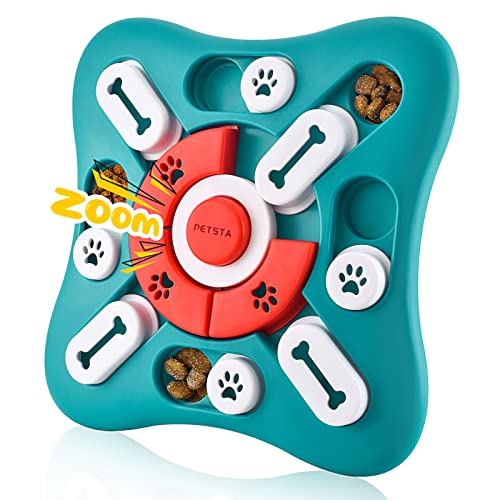
PETSTA Dog Puzzle Toys, Treat Dispensing Dog Enrichment Toys for IQ Training and Brain Stimulation, Interactive Mentally Stimulating Toys as Gifts for Puppies, Cats, Dogs
- Product Dimensions: 10 x 10 x 1.3 inches
- Multiple Play Modes: Three difficulty levels with squeak button
- Treat Dispenser: 16-hole slow feeder design
As an affiliate, we earn on qualifying purchases.
As an affiliate, we earn on qualifying purchases.
Conclusion
As you walk through the park with your beagle by your side, it’s clear this curious companion isn’t just a pet—it’s a true adventurer. With boundless energy and a nose for discovery, your beagle’s spirit feels like something out of a Victorian explorer’s journal. You realize that their curious nature isn’t just a trait—it’s a gift that turns everyday walks into unforgettable adventures. Truly, your beagle is more than a dog; it’s a steadfast friend in a world full of wonders.
As an affiliate, we earn on qualifying purchases.
As an affiliate, we earn on qualifying purchases.