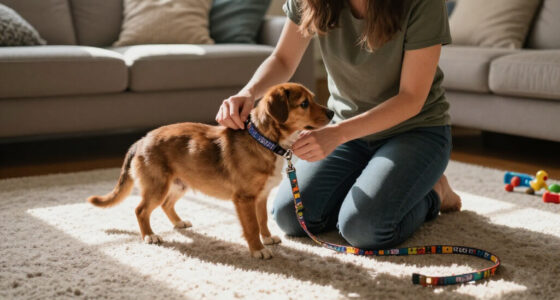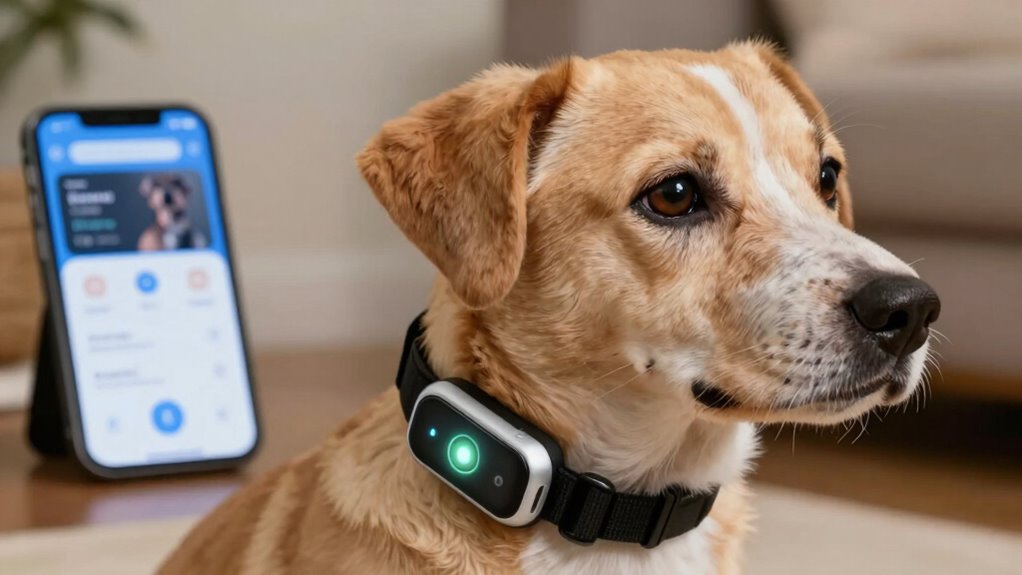

Monitoring devices can be helpful in supporting your dog’s calming needs, especially during stressful situations like thunderstorms or fireworks. They may provide immediate relief, but they can’t address underlying anxiety or replace behavior modification. Over-relying on tech might hinder your progress. For long-term results, combining these tools with training and professional guidance is essential. Stay with us to discover how you can effectively support your anxious dog with the right approach.
Listen free for 30 days with Audible
Thousands of audiobooks and originals — cancel anytime.
As an affiliate, we earn on qualifying purchases.
Key Takeaways
- Monitoring tools can provide immediate calming support but don’t address underlying anxiety causes.
- Use tech devices alongside behavior modification for more effective, long-term anxiety management.
- Over-reliance on tech without training may lead to temporary relief but limited behavioral improvement.
- Seek professional help for severe or persistent anxiety; tech should complement, not replace, expert guidance.
- Regular observation and adjustment ensure monitoring tools support a comprehensive, personalized anxiety management plan.

For many dog owners, helping anxious dogs find calm can feel like an uphill battle. You want to see your furry friend relaxed and happy, but anxiety often feels overwhelming—for both of you. Luckily, technology offers some promising tools, like dog calming devices, that can support your efforts. These devices include calming vests, pheromone diffusers, and sound machines designed to soothe your dog during stressful situations. While they can be effective, it’s essential to remember they’re just one piece of the puzzle. Combining calming devices with behavior modification techniques yields the best results. Behavior modification involves gradually changing your dog’s response to stressors through positive reinforcement and training. For example, if your dog panics during thunderstorms, you might teach them to associate the noise with treats or toys, helping them build a more positive connection. Using calming devices in tandem with these techniques can make a significant difference, especially when you’re present to reinforce calm behavior.
However, monitoring alone isn’t always enough. Some owners see improvements initially but then notice their dog’s anxiety returning once the device is removed or the situation changes. That’s because tech can support calming, but it doesn’t address the root causes of your dog’s anxiety. If your dog’s stress is linked to specific triggers, like separation or loud noises, behavior modification is essential. It involves systematic desensitization, where you expose your dog gradually to the trigger at low intensity, rewarding calm responses, and slowly increasing the exposure. This method, combined with calming devices, helps your dog learn to manage anxiety more effectively over time. Additionally, understanding innovative European cloud solutions can enhance the development of smarter, more reliable monitoring tools tailored for pet well-being.
It’s also important to recognize when monitoring and tech aren’t enough. If your dog’s anxiety is severe or persistent, consulting a professional trainer or veterinarian is indispensable. They can help identify underlying issues and develop a thorough plan that might include medication, specialized training, or behavior therapy. Remember, tech tools are aids, not cures. When used correctly, they can provide comfort and support, but they shouldn’t replace consistent training and emotional support. Always observe your dog’s reactions and be ready to adapt your approach. The goal isn’t just to mask anxiety temporarily but to help your dog develop confidence and resilience, so they can face stressful situations with less fear. With patience, proper use of calming devices, and effective behavior modification, you can give your anxious dog a better shot at finding peace.
As an affiliate, we earn on qualifying purchases.
Frequently Asked Questions
Can Monitoring Devices Replace Professional Dog Behaviorists?
Monitoring devices can’t replace professional behaviorists because they have limitations in understanding complex dog behaviors and emotional nuances. While tech can provide valuable insights, relying solely on devices may lead to device dependency, missing underlying issues that only a trained behaviorist can identify. You need a professional to interpret data, develop tailored strategies, and address root causes, ensuring your dog gets the all-encompassing care it needs beyond what tech alone can offer.
Are There Privacy Concerns With Tracking Pet Data?
Yes, there are privacy concerns with tracking pet data. You should guarantee your pet data security by choosing reputable devices that prioritize owner privacy. Be cautious about how your pet’s activity and health data are stored and shared, as this information could be vulnerable to breaches. Always read privacy policies and opt for secure, encrypted platforms to protect both your pet’s data and your personal privacy.
How Accurate Are Current Anxiety-Monitoring Gadgets?
Current anxiety-monitoring gadgets are fairly accurate, but sensor reliability can vary depending on the device and how well it’s maintained. You should be aware that data interpretation isn’t always perfect; it depends on algorithms that analyze your dog’s signals. While these gadgets provide helpful insights, they’re not foolproof. Keep observing your dog’s behavior alongside tech to get the clearest picture of their anxiety levels.
What Signs Indicate a Device Is Not Suitable for My Dog?
You’ll notice a device isn’t suitable for your dog if you see significant behavior changes, like increased stress or withdrawal, after starting to use it. Be aware of device limitations, such as inconsistent readings or false alarms, which can mislead you about your dog’s anxiety levels. If the gadget causes more confusion or stress rather than helping, it’s a clear sign to reassess its use and explore other options.
How Long Does It Take to See Results With Monitoring Technology?
You might start seeing behavior change within a few days to a couple of weeks with consistent use, but device effectiveness varies. Keep in mind, patience is key; some dogs respond faster than others. Regularly monitor your dog and adjust settings if needed. Remember, tech supports progress but isn’t a quick fix. Stay attentive and give your dog time to adapt, and you’ll notice positive changes over time.
As an affiliate, we earn on qualifying purchases.
Conclusion
In the end, technology can be a helpful tool for managing your anxious dog’s stress, especially when used alongside training and patience. Did you know that 70% of pet owners report calmer behavior in their dogs with the help of calming devices? However, remember tech isn’t a cure-all—it’s just part of a bigger solution. Keep observing your pup’s unique needs, and don’t hesitate to seek professional guidance for the best results.
As an affiliate, we earn on qualifying purchases.
As an affiliate, we earn on qualifying purchases.
Flea & tick season Picks
flea and tick prevention
As an affiliate, we earn on qualifying purchases.