

Advances in canine cancer treatment now include targeted immunotherapies and personalized nutritional strategies that can boost your dog’s response and quality of life. Immunotherapy harnesses the immune system to better fight tumors, often with fewer side effects than traditional therapies. At the same time, tailored nutrition supports immune health and overall wellness. These innovative approaches are transforming care, offering new hope for dogs with cancer—stay with us to learn more about these exciting options.

Get pet supplies delivered free with Prime
- Fast, free delivery on millions of items
- Prime Video, Amazon Music and more included
- Member-only deals all year
Key Takeaways
- Immunotherapy, including vaccines and immune checkpoint inhibitors, offers targeted and less invasive treatment options for canine cancer.
- Personalized nutritional strategies support immune function and overall health, improving treatment outcomes and quality of life.
- Combining immunotherapy with tailored nutrition enhances effectiveness and provides a comprehensive approach to cancer management.
- Advances focus on integrating new therapies to reduce side effects and improve survival rates in canine cancer patients.
- Ongoing research emphasizes individualized treatment plans, combining medical and nutritional approaches for optimal results.
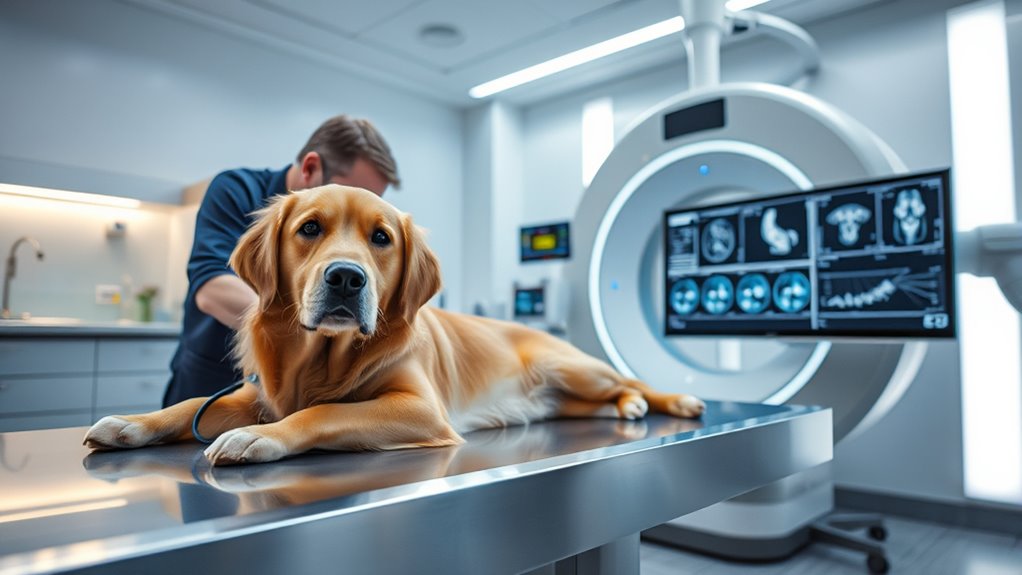
Are you worried about your dog’s health after a cancer diagnosis? It’s natural to feel overwhelmed, but advances in canine cancer treatment now offer more hope than ever. One promising area is immunotherapy options, which harness your dog’s immune system to target and destroy cancer cells. Unlike traditional treatments like chemotherapy and radiation, immunotherapy can be more selective, reducing side effects and improving quality of life. For example, some options involve vaccines designed to stimulate the immune response against specific tumor types. Others use immune checkpoint inhibitors that help your dog’s immune cells recognize and attack cancer more effectively. These therapies are still evolving, but they show great potential, especially when combined with other treatments.
Immunotherapy offers new hope by harnessing your dog’s immune system to target cancer with fewer side effects.
Alongside immunotherapy, nutritional support plays an essential role in managing your dog’s condition. Cancer and its treatments can weaken your pet’s immune system and cause a loss of appetite, leading to weight loss and decreased energy. Providing a tailored, high-quality diet helps maintain strength, supports recovery, and improves overall well-being. Specialized cancer diets often include ingredients that are easier to digest and rich in antioxidants, which may help slow tumor growth and reduce inflammation. You might also incorporate supplements like omega-3 fatty acids, which have anti-inflammatory properties and can bolster your dog’s immune response. Proper nutrition isn’t just about feeding; it’s about giving your dog the tools to better withstand treatment and stay comfortable.
Additionally, recent advances have made nutritional support more personalized. Veterinarians now evaluate your dog’s specific needs based on their type of cancer, stage, and overall health. This individualized approach ensures your pet receives the right balance of calories, protein, and nutrients to support healing. Emerging research emphasizes the importance of nutritional support in improving treatment outcomes and quality of life for canine cancer patients. Coupled with immunotherapy options, nutritional support can enhance your dog’s response to treatment and improve their quality of life. It’s essential to maintain close communication with your vet, who can recommend dietary adjustments and monitor your dog’s progress.
While these innovative therapies and nutritional strategies are promising, they’re most effective when integrated into a thorough treatment plan. Combining immunotherapy options with proper nutrition can give your dog the best chance for a better outcome. Remember, every dog is unique, and what works for one may not for another. Staying informed and working closely with your vet ensures you’re providing the most supportive, effective care possible. Though a cancer diagnosis is tough, these advances in treatment show that your dog can still enjoy a good quality of life, with hope on the horizon.
canine cancer immunotherapy vaccines
As an affiliate, we earn on qualifying purchases.
As an affiliate, we earn on qualifying purchases.
Frequently Asked Questions
What Are the Early Signs of Canine Cancer?
Early signs of canine cancer include noticeable lumps or swelling, unexplained weight loss, and persistent vomiting or diarrhea. You should also watch for changes in your dog’s behavior, such as lethargy or loss of appetite. Symptom awareness is key for early detection, so if you notice any of these signs, consult your vet promptly. Recognizing these symptoms early can lead to more effective treatment options for your dog.
How Does Diet Affect Cancer Progression in Dogs?
Think of your dog’s diet as the fuel guiding their journey through health. Nutritional interventions and dietary supplements act like protective armor, potentially slowing cancer progression. A balanced diet rich in antioxidants and omega-3s can bolster your dog’s defenses, while avoiding harmful processed foods keeps their immune system strong. By nourishing their body carefully, you help give your furry friend the best chance to fight cancer and thrive beyond diagnosis.
Are There Natural or Alternative Therapies Available?
Yes, there are natural and alternative therapies available for your dog. You can explore herbal remedies that may support overall health and immune function. Acupuncture therapy is also a popular option, helping to reduce pain and improve comfort. Always consult your veterinarian or a holistic specialist before starting these therapies to ascertain they’re safe and appropriate for your dog’s specific condition. These approaches can complement traditional treatments effectively.
What Are the Costs Associated With Advanced Treatments?
The costs of advanced canine cancer treatments vary widely, so it’s essential to do a thorough cost analysis. You’ll find that treatments like chemotherapy, radiation, and targeted therapies can be expensive, often ranging from a few thousand to over ten thousand dollars. Keep in mind that insurance coverage may help offset some expenses, so check with your provider to understand what’s covered and plan accordingly to give your dog the best care possible.
How Can I Support My Dog Emotionally During Treatment?
Think of your dog’s emotional well-being as a lighthouse guiding them through stormy waters. To support your dog emotionally during treatment, provide consistent reassurance and gentle petting to ease pet anxiety. Use a calming voice and maintain a routine to give them stability. Offering emotional support helps reduce their stress, making the journey less overwhelming. Remember, your calm presence is the anchor that keeps their spirits afloat.
dog immune checkpoint inhibitor supplements
As an affiliate, we earn on qualifying purchases.
As an affiliate, we earn on qualifying purchases.
Conclusion
You’ve seen how advances in canine cancer treatment are offering new hope to beloved pets. Today, more than 70% of dogs diagnosed with cancer now survive beyond a year thanks to these innovations. It’s inspiring to see science making such a difference, giving dogs and their owners a chance for more quality time together. With continued research, the future looks brighter for canine cancer patients, proving that hope and progress go hand in paw.
personalized cancer diet for dogs
As an affiliate, we earn on qualifying purchases.
As an affiliate, we earn on qualifying purchases.
omega-3 supplements for dogs with cancer
As an affiliate, we earn on qualifying purchases.
As an affiliate, we earn on qualifying purchases.
Fall Picks
fall essentials
As an affiliate, we earn on qualifying purchases.