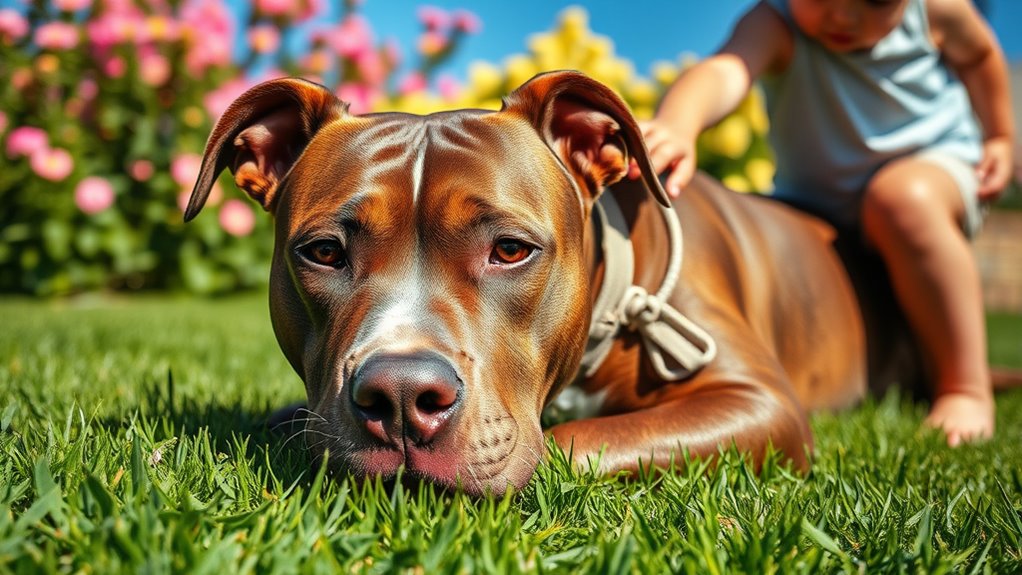

Many people believe pit bulls are inherently aggressive, but this is a myth. Their temperament depends heavily on how they’re raised, trained, and socialized. When properly cared for with positive reinforcement and early socialization, they can be gentle, loyal, and friendly. Stereotypes often overlook the importance of environment and owner influence. Continue exploring to discover how responsible training and care truly shape a pit bull’s behavior, challenging common misconceptions.
Key Takeaways
- Temperament is influenced by upbringing, training, and socialization, not breed alone.
- Positive reinforcement and consistent training foster friendly and balanced pit bulls.
- Stereotypes often unfairly label pit bulls as inherently aggressive, which is false.
- Proper socialization from an early age prevents behavioral issues and misconceptions.
- A well-raised, socialized pit bull can be as gentle and friendly as any other breed.
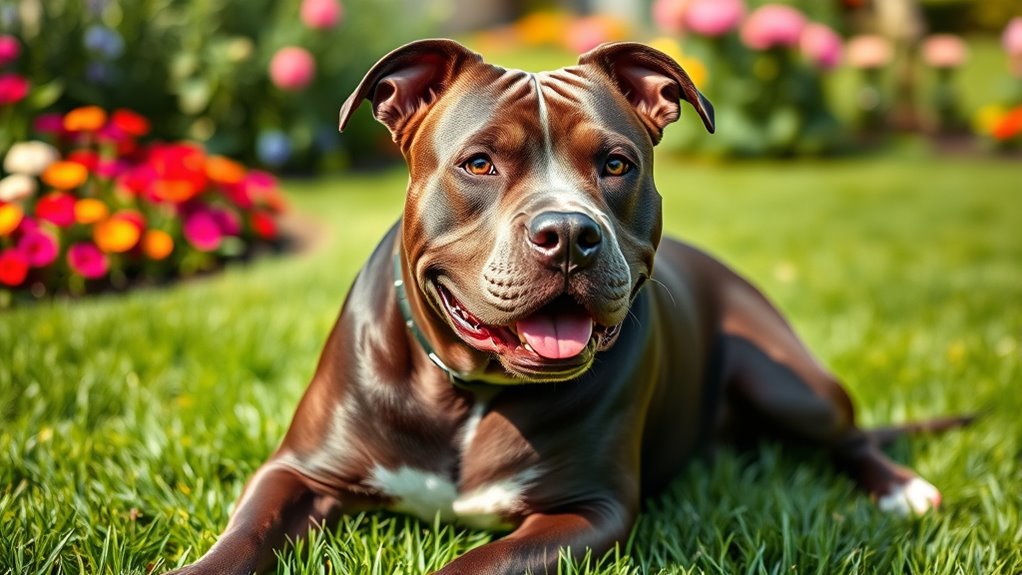
Many people believe that pit bulls are naturally aggressive, but their true temperament depends largely on upbringing, training, and socialization. Sadly, breed stereotypes have painted these dogs as dangerous, leading many to judge them unfairly before giving them a chance to show their true nature. The way you train your pit bull can markedly influence how they behave, and understanding effective training methods can help dispel misconceptions. For example, positive reinforcement techniques—reward-based training—encourage good behavior without fear or punishment. This approach helps build trust and fosters a strong bond between you and your dog. Consistency, patience, and clear commands are essential, and they help your pit bull learn appropriate responses. Proper socialization from an early age also plays a vital role in shaping their temperament. Introducing them gradually to different people, animals, environments, and situations helps prevent fear and aggression later on. When socialization is neglected, even breed stereotypes can’t fully predict how a dog will behave. Additionally, providing adequate mental stimulation is crucial for preventing destructive behaviors and promoting a balanced temperament. It’s important to recognize that temperament is not solely determined by genetics but is heavily influenced by environment and care. Unfortunately, breed stereotypes often lead to bias against pit bulls, making it harder for them to be adopted or trusted. Many assume they’re inherently aggressive, but this isn’t backed by facts. In fact, a well-trained and socialized pit bull can be as gentle and friendly as any other breed. Their reputation is often the result of misuse or neglect by irresponsible owners, not an innate characteristic of the breed. By focusing on training methods that emphasize kindness and patience, you can help your dog develop a balanced temperament. Avoid harsh punishments or dominance-based training, which can lead to fear or aggression, and instead, rely on positive interactions. This not only improves behavior but also helps break down breed stereotypes. Ultimately, the temperament of a pit bull isn’t decided by their breed alone. It’s shaped by how they’re raised and treated. When you invest in proper training methods and socialization, you’re giving your dog the tools they need to thrive and challenge negative stereotypes. Instead of seeing pit bulls as inherently aggressive, you’ll understand that they’re just dogs who respond best to love, consistency, and understanding. With the right environment, patience, and training, you can help showcase the true, loyal, and friendly nature of this misunderstood breed.
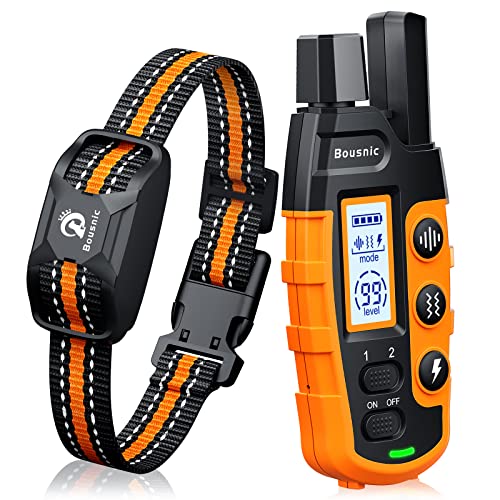
Bousnic Dog Shock Collar – 3300Ft Dog Training Collar with Remote for 5-120lbs Small Medium Large Dogs Rechargeable Waterproof e Collar with Beep (1-8), Vibration(1-16), Safe Shock(1-99) (Orange)
- Humane Training Modes: Beep, Vibration, Safe Shock levels
- Long-Range Control: Up to 3300 feet distance
- Dual-Channel for Two Dogs: Train two dogs simultaneously
As an affiliate, we earn on qualifying purchases.
As an affiliate, we earn on qualifying purchases.
Frequently Asked Questions
Are Pit Bulls Suitable for First-Time Dog Owners?
Pit bulls can be suitable for first-time dog owners if you’re committed to proper training and socialization. While breed stereotypes often highlight aggression, many are friendly and loyal. However, you should be prepared for potential training challenges and invest time in positive reinforcement techniques. If you’re patient, consistent, and willing to learn, a pit bull can be a wonderful, loving companion, just like any other breed.
How Do Pit Bulls Behave Around Children?
You’ll find that pit bulls generally behave well around children when properly socialized. Dog socialization helps them develop good manners and confidence, making interactions safer and more enjoyable. However, breed stereotypes can influence perceptions, so it’s essential to supervise every play session. With consistent training and positive reinforcement, your pit bull can become a loving, protective companion for your kids.
Can Pit Bulls Be Aggressive Without Provocation?
Pit bulls can be aggressive without provocation, but breed stereotypes often overlook individual behavior. They might react aggressively if they encounter specific provocation triggers, like sudden movements or unfamiliar people. Proper training, socialization, and understanding your dog’s signals help prevent unexpected aggression. Remember, each dog is unique, and responsible ownership minimizes risks. Avoid assuming all pit bulls are aggressive; instead, focus on positive interactions and recognizing your dog’s boundaries.
Do All Pit Bulls Have the Same Temperament?
You might think all pit bulls share one temperament, but that’s like saying all stars shine the same—utterly false. Breed-specific traits and genetic influences shape each dog’s personality uniquely. Some are gentle and affectionate, while others may be more energetic or cautious. Your pit bull’s temperament depends on their individual genetics, upbringing, and environment, so don’t judge a book by its cover—each dog is a story waiting to be understood.
What Training Methods Work Best for Pit Bulls?
You should use positive reinforcement training methods to effectively train your Pit Bull. Reward good behavior with treats, praise, or playtime to encourage repetition. Incorporate socialization techniques early on, exposing your dog to different people, animals, and environments to build confidence and reduce aggression. Consistency and patience are key, and avoid harsh discipline. With proper training, your Pit Bull can become well-behaved, confident, and friendly.

Race&Herd Original 10 Pcs Dog Scent Training Kit, Scent Work Training Kit for Dogs, 5 Brain Games – Nosework for Dog Sniffing Toys, Mental Stimulation Agility Equipment for Dogs (Sage)
- Complete Scent Training Kit: Includes tools for backyard and training
- Engages Dogs with Toys: Scent work, agility, and bite sleeve equipment
- Mental Stimulation & Enrichment: Enhances focus and cognitive skills
As an affiliate, we earn on qualifying purchases.
As an affiliate, we earn on qualifying purchases.
Conclusion
So, next time someone warns you about pit bulls, remind them of the real facts—these dogs are loyal, loving, and often misunderstood. It’s almost amusing how society’s myths paint them as villains when, in reality, they’re just big softies craving belly rubs. Don’t judge a book by its breed, or you might miss out on a furry friend who’s more teddy bear than fighter. After all, it’s the owner’s love, not the breed, that truly shapes a dog’s heart.
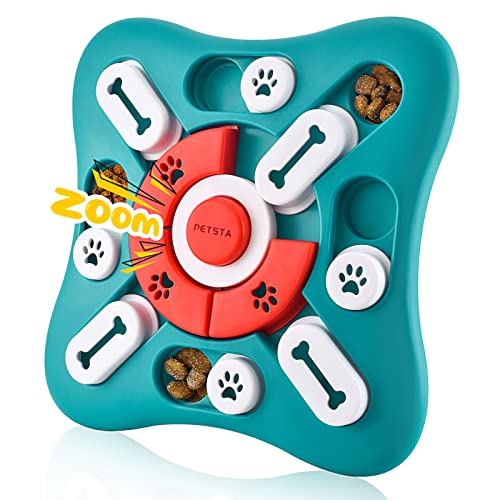
PETSTA Dog Puzzle Toys, Treat Dispensing Dog Enrichment Toys for IQ Training and Brain Stimulation, Interactive Mentally Stimulating Toys as Gifts for Puppies, Cats, Dogs
- Product Dimensions: 10 x 10 x 1.3 inches
- Multiple Play Modes: Three difficulty levels with squeak button
- Treat Dispenser: 16-hole slow feeder design
As an affiliate, we earn on qualifying purchases.
As an affiliate, we earn on qualifying purchases.

Heavy Duty Dog Leash for Large Dogs that Pull, 4-7FT Tactical Bungee Leash
- Durable Material: Wear-resistant nylon with reinforced stitching
- High Tension Capacity: Withstands up to 250 lbs of pull
- Adjustable Length: Stretch from 4.6FT to 7FT
As an affiliate, we earn on qualifying purchases.
As an affiliate, we earn on qualifying purchases.