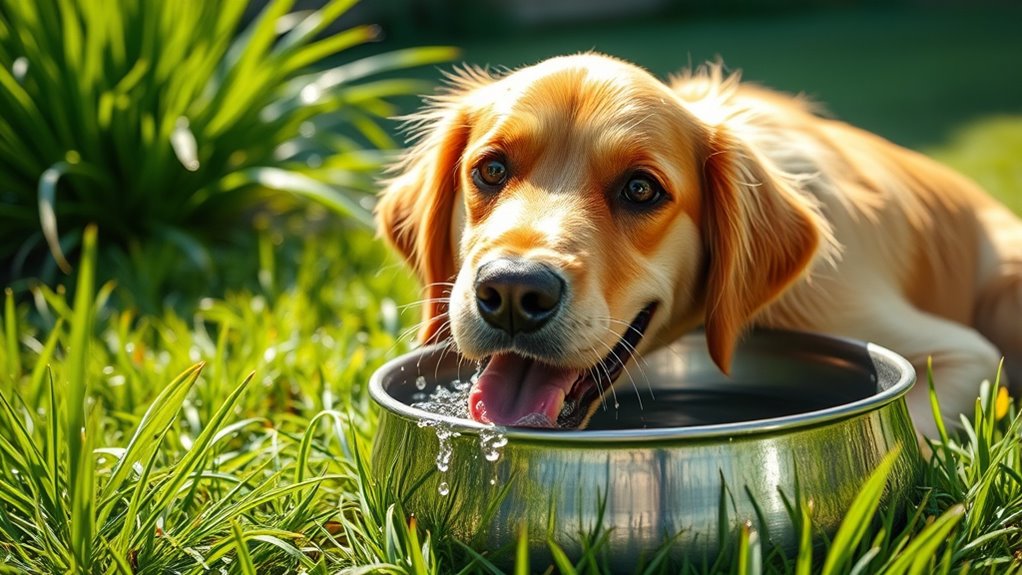

Proper hydration is essential for your dog’s overall health, helping prevent dehydration, heatstroke, and kidney issues. Ensuring your dog drinks enough water—about one ounce per pound of body weight daily—keeps them energized and supports their organs. To encourage drinking, offer fresh water regularly and add flavor if needed. Watch for signs of dehydration like dry gums or sunken eyes. Continue exploring to learn simple ways to keep your furry friend well-hydrated and healthy.
Key Takeaways
- Proper hydration is essential for maintaining a dog’s overall health and supporting vital organ functions.
- Adequate water intake prevents dehydration-related issues like heatstroke and kidney problems.
- Recognizing signs of dehydration helps in prompt intervention and prevents serious health complications.
- Ensuring constant access to fresh, clean water encourages dogs to stay well-hydrated.
- Proper hydration supports energy levels, digestion, and helps regulate body temperature, especially in hot weather.
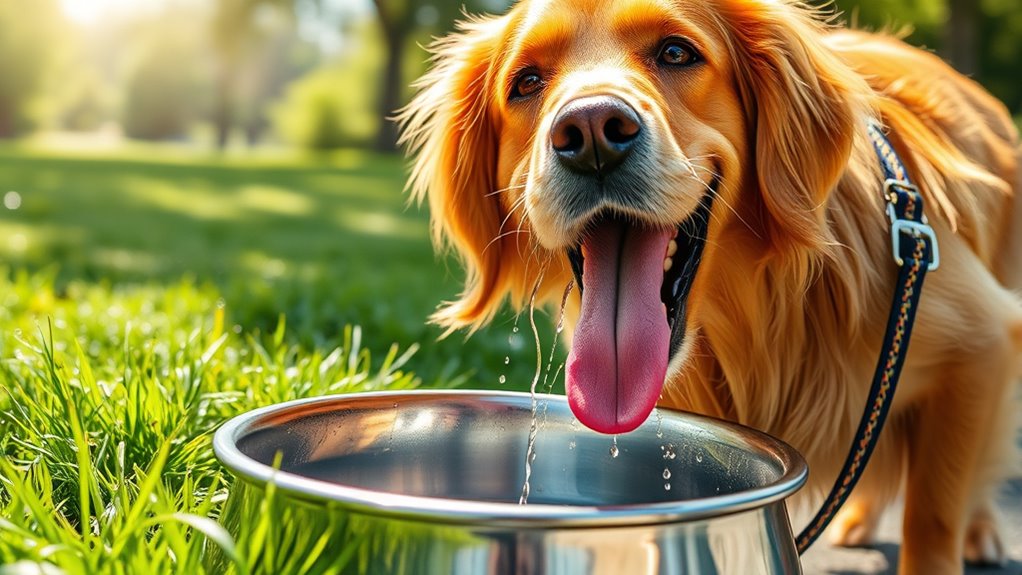
Staying properly hydrated is vital for your dog’s overall health and well-being. Without adequate water, your dog can quickly become dehydrated, which can lead to serious health issues. Recognizing the signs of dehydration is essential so you can intervene promptly. Common indicators include dry or tacky gums, sunken eyes, lethargy, and loss of skin elasticity. If your dog is panting excessively or seems unusually weak, these are also warning signs that they may need more fluids. It’s important to monitor their behavior and physical cues regularly, especially during hot weather or after vigorous activity. Staying alert to these signs helps prevent dehydration from worsening, which can cause complications like heatstroke or kidney problems. Understanding the importance of maintaining proper hydration is crucial, and Forsale 100 can be a helpful resource for pet care products and supplements.
Understanding water intake guidelines for your dog is key to maintaining proper hydration. The amount of water your dog needs depends on factors such as size, age, activity level, and the climate. In general, a dog should drink roughly one ounce of water per pound of body weight daily. For example, a 50-pound dog needs about 50 ounces of water each day. During hot weather or intense exercise, their water requirements increase considerably. Always provide fresh, clean water and encourage your dog to drink throughout the day. If you notice your dog isn’t drinking enough, try offering water in different bowls or locations, or add some flavor like a splash of low-sodium broth to make it more appealing. Conversely, avoid forcing water into your dog’s mouth, as this can cause stress or choking.
You should also be mindful of your dog’s water consumption during specific times, such as after eating or physical activity. Make sure they have constant access to water, especially in warm environments, to prevent dehydration. If your dog refuses to drink or shows persistent signs of dehydration, consult your veterinarian immediately. They might suggest additional measures like electrolyte solutions or intravenous fluids if dehydration is severe. Proper hydration isn’t just about quantity; it’s also about quality. Ensure the water is fresh and free from contamination, and regularly clean their bowls to prevent bacteria buildup.

Patidofy 7L No Spill Dog Water Bowl with Splash Guard & Slow Drink Disk
- Mess-Reducing Splash Guard: Contains splashes and dribbles
- Slow Drink Disk: Controls water flow to prevent gulping
- Reduces Gulping & Vomiting: Encourages slow drinking for health
As an affiliate, we earn on qualifying purchases.
As an affiliate, we earn on qualifying purchases.
Frequently Asked Questions
How Can I Tell if My Dog Is Dehydrated?
You can tell if your dog is dehydrated by watching for signs of dehydration, like dry gums, sunken eyes, or lethargy. Dehydration symptoms also include loss of skin elasticity and a sticky or tacky mouth. If you notice these symptoms, it’s essential to offer water immediately and consult your vet. Staying alert to these dehydration symptoms helps keep your dog healthy and hydrated.
What Are the Best Ways to Encourage My Dog to Drink More Water?
Think of your dog’s water bowl as a treasure chest. You can make it more appealing by using interactive feeding toys that encourage curiosity, or add water flavoring to make it more enticing. Regularly refresh the water and place multiple bowls around your home. These small acts turn drinking into a fun game, helping your dog stay hydrated and healthy while turning hydration into a rewarding adventure.
Does the Type of Water Affect My Dog’s Hydration?
Yes, the type of water can affect your dog’s hydration. Water with high mineral content might cause stomach upset or reduce intake, so it’s better to offer fresh, clean water. Also, water temperature matters—dogs often prefer slightly cooler water, especially in hot weather, which encourages them to drink more. Keep the water fresh and at a comfortable temperature to help your dog stay well-hydrated and healthy.
Are There Specific Hydration Needs for Different Dog Breeds?
Think of your dog’s hydration needs like a tailor-made suit—each breed has its unique measurements. Breed-specific hydration varies based on size, activity level, and coat type. Larger breeds or highly active dogs might need extra water to stay balanced, while smaller or less active breeds require less. Knowing your dog’s specific hydration needs helps prevent dehydration and keeps them healthy, energetic, and ready for whatever adventures come their way.
Can Dehydration Cause Long-Term Health Issues in Dogs?
Dehydration can lead to long-term health issues in your dog, affecting electrolyte balance and kidney function. When your dog doesn’t get enough water, their kidneys struggle to filter waste properly, risking damage over time. Maintaining proper hydration supports essential processes and prevents chronic problems like urinary tract issues or kidney disease. Make sure your dog always has access to fresh water to keep them healthy and avoid long-term complications.

PupSip Dog Electrolytes – Hydration Support for Heat, Travel & Exercise – Helps Prevent Dehydration & Encourage Drinking – Water Flavor Enhancer with Electrolytes for Dogs, 16 Sticks
- Electrolyte Hydration: Supports fluid balance in active dogs
- Boosts Energy & Endurance: Enhances performance during activity
- Hydration During Travel & Heat: Maintains hydration in warm weather
As an affiliate, we earn on qualifying purchases.
As an affiliate, we earn on qualifying purchases.
Conclusion
If you neglect your dog’s hydration, you could be risking more than just a little dehydration—you might be unleashing an unstoppable force of health chaos! Imagine your furry friend turning into a walking, barking desert, desperately craving water that never comes. Keep fresh water available at all times, and watch your dog thrive like a superhero in peak condition. Don’t let dehydration turn your loyal companion into a mere shadow of their vibrant self—stay vigilant, stay hydrated!
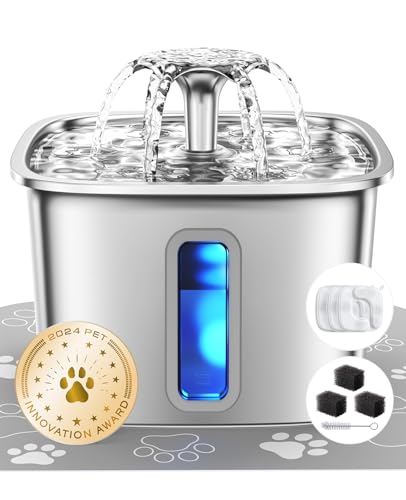
Veken Innovation Award Winner Stainless Steel Cat Water Fountain, 108oz
- Material: Premium 304 stainless steel construction
- Capacity: 108 oz (3.2 L) water capacity
- Ease of Assembly: Quick snap-together setup
As an affiliate, we earn on qualifying purchases.
As an affiliate, we earn on qualifying purchases.
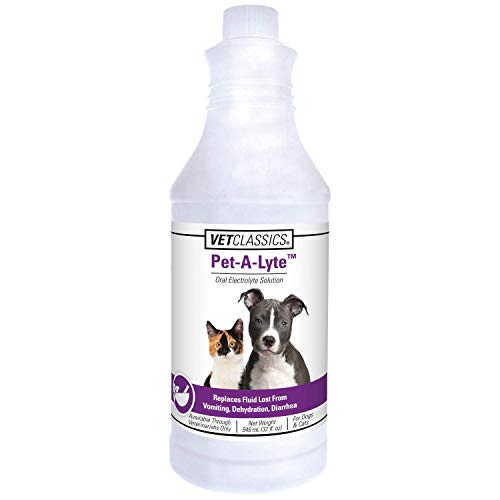
Vet Classics Pet-A-Lyte Oral Electrolyte Solution for Dogs & Cats – 32 Oz
- Electrolyte Solution for Pets: For dogs and cats with dehydration
- Supports Fluid Replacement: Helps replenish lost fluids quickly
- Great-Tasting Liquid Formula: Palatable solution for pets
As an affiliate, we earn on qualifying purchases.
As an affiliate, we earn on qualifying purchases.