TL;DR

Get pet supplies delivered free with Prime
- Fast, free delivery on millions of items
- Prime Video, Amazon Music and more included
- Member-only deals all year
The RECOVER Initiative has issued 2026 first-aid guidelines for dogs and cats, with 50 recommendations across three papers. They distinguish uncomplicated allergic reactions from anaphylaxis and state that first aid supports, but does not replace, veterinary treatment.
The RECOVER Initiative has published its 2026 First Aid guidelines for dogs and cats, setting out 50 recommendations for care before a veterinary team can take over. The three-paper series is intended to help veterinary professionals advise owners, handlers and other bystanders; it does not replace definitive veterinary care.
The recommendations cover 38 general first-aid topics and 12 concerning acute allergic reactions and anaphylaxis. The guidelines address situations in which a person may need to act before reaching a clinic, including burns, prehospital oxygen, out-of-hospital CPR, suspected opioid exposure and severe bleeding. The full series is available through the journal link cited by RECOVER.
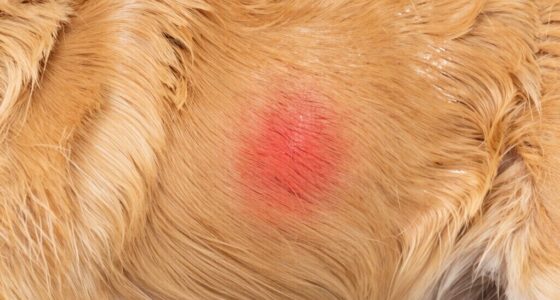
A key distinction is between an uncomplicated allergic reaction and anaphylaxis. The article describing the guidelines defines an uncomplicated reaction as a sudden onset of signs such as hives, facial swelling or itching, sometimes with a self-limiting episode of vomiting or diarrhea, without immediate life-threatening effects. Anaphylaxis is a severe systemic reaction that can affect breathing, circulation, digestion or skin; skin signs may be absent. Sudden collapse, low blood pressure or severe breathing difficulty after a suspected exposure signals severe anaphylaxis even if only one body system is clearly affected.
For uncomplicated reactions, the guidelines recommend an oral H1 antihistamine before veterinary care and an H1 antagonist in the clinic. They caution that antihistamines should not be relied on to treat breathing or cardiovascular problems in established anaphylaxis. The guidelines suggest against routine glucocorticoids for uncomplicated reactions, citing inconsistent evidence; a short, low-dose course is suggested only if the reaction does not respond to an antihistamine, with the antihistamine continued.
For anaphylaxis, epinephrine is the treatment of choice. The guidance suggests prehospital intramuscular epinephrine only when it can be given without delaying transport. When breathing is affected, it advises against trying to give oral antihistamines, which may delay transport and treatment and can expose a person to a bite. For animals with a previous anaphylactic event, the guidelines suggest a veterinarian may provide weight-based prefilled syringes to owners who have received instruction and are comfortable giving the injection. These are clinical recommendations, not a substitute for an individual veterinarian’s advice.
Guidance for the Minutes Before Care
The recommendations address a period when owners and bystanders may have to act before definitive treatment is available. They describe steps intended to support an animal during transport and identify circumstances requiring urgent veterinary care. The distinction between an uncomplicated allergic reaction and anaphylaxis is central to the guidance: antihistamines may be considered for uncomplicated reactions, while epinephrine is central to anaphylaxis treatment.
The documents are written for veterinary professionals to use when educating and advising owners and other bystanders who may deliver first aid. The recommendations can inform clinic discussions and preparedness planning; they are not a substitute for professional direction during an emergency.
The guidelines cover common and less common emergencies, including severe bleeding, burns and suspected opioid exposure. They state that prehospital measures may support an animal before veterinary care, while rapid veterinary assessment remains necessary, particularly when breathing or circulation is affected.
dog first aid kit with antihistamines
As an affiliate, we earn on qualifying purchases.
As an affiliate, we earn on qualifying purchases.
From CPR Standards to First Aid
RECOVER stands for the Reassessment Campaign on Veterinary Resuscitation. The initiative developed evidence-based CPR guidance for dogs and cats in 2012 and updated those guidelines in 2024. The new first-aid series extends its work beyond resuscitation to actions taken before a patient reaches a veterinary facility.
The report’s author, Kenichiro Yagi, writes that owners may otherwise rely on folklore, human first-aid habits or word-of-mouth advice. He describes the new recommendations as evidence- and consensus-based, developed through a transparent evaluation process. The published series comprises three papers, with its full scope reaching beyond the allergic-reaction recommendations highlighted in the report.
“Epinephrine is the treatment of choice for anaphylaxis.”
— The 2026 RECOVER guidelines, as described by Yagi
cat emergency epinephrine auto-injector
As an affiliate, we earn on qualifying purchases.
As an affiliate, we earn on qualifying purchases.
Limits of the Available Evidence
The source report summarizes selected recommendations rather than reproducing all 50 recommendations. It does not provide the full evidence tables, grading details or every recommendation’s rationale, so those cannot be assessed from the report alone. Readers seeking the full scope should consult the three papers themselves.
The report notes that evidence is uneven for some treatments. For uncomplicated reactions, veterinary studies cited in the article did not find an immediate-care benefit from adding dexamethasone to diphenhydramine, while the evidence on glucocorticoids overall was described as inconsistent. For anaphylaxis, the report says human studies did not show a consistent glucocorticoid benefit. These summaries do not establish how every individual animal will respond.
It is also not clear from the supplied report how the recommendations will be adopted across veterinary practices or whether further implementation resources will follow. The guidance describes situations in which prehospital epinephrine may be considered, but owners should not infer a dose or treatment plan for their pet without veterinary instruction.
As an affiliate, we earn on qualifying purchases.
Consult the Full RECOVER Papers
Veterinary professionals and readers seeking further details can review the full RECOVER guideline papers, including recommendations not covered in Yagi’s overview. Veterinary teams can use the material to shape client education and discuss emergency plans for animals at risk of severe allergic reactions.
For owners facing an emergency, the guidance points toward prompt veterinary contact and transport rather than trying to manage serious signs at home. Any use of prefilled epinephrine syringes should follow a veterinarian’s prescription and instruction. The source material does not announce a further release date or specific implementation milestone.
As an affiliate, we earn on qualifying purchases.
Key Questions
What are the 2026 RECOVER First Aid guidelines?
They are a three-paper series containing 50 first-aid recommendations for dogs and cats: 38 on general first aid and 12 on acute allergic reactions and anaphylaxis. They are written for veterinary professionals to use when advising people who may provide prehospital care.
Do the guidelines replace veterinary treatment?
No. The report says prehospital first aid may support an animal before arrival, but it does not replace definitive veterinary care. Serious signs such as collapse or severe breathing difficulty require urgent veterinary attention.
How do the guidelines distinguish an allergic reaction from anaphylaxis?
An uncomplicated reaction may involve hives, facial swelling or itching without immediate life-threatening effects. Anaphylaxis is a severe systemic reaction; collapse, low blood pressure or severe respiratory distress after a suspected exposure indicates severe anaphylaxis, even if other signs are absent.
What treatment do the guidelines identify for anaphylaxis?
The guidelines identify epinephrine as the treatment of choice. They suggest prehospital intramuscular epinephrine only if giving it will not delay transport. Owners should follow a veterinarian’s instructions and should not use this summary as an individual treatment plan.
Where can readers find the complete recommendations?
The full guidelines are available in the three papers linked through the journal’s RECOVER First Aid collection at Wiley Online Library.
Source: rss
Halloween Picks
halloween
As an affiliate, we earn on qualifying purchases.