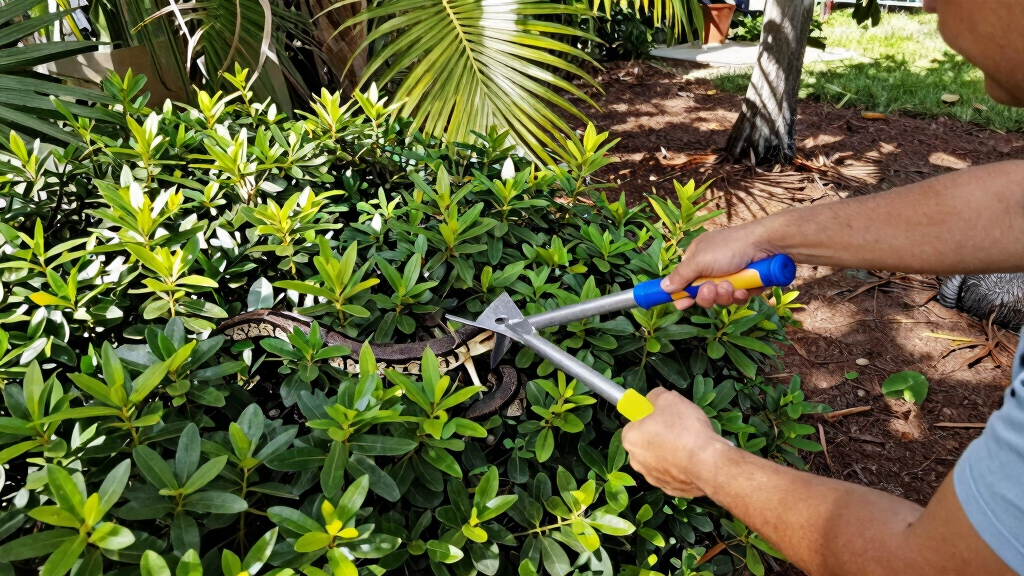

TL;DR
The Burmese python population in Florida is spreading further into new areas, confirmed by recent sightings and surveys. Experts warn this invasive species threatens local ecosystems, but full impact assessments are ongoing. Authorities are intensifying control efforts, though many questions remain about the snake’s future range.
Recent sightings and surveys have confirmed that the population of Burmese pythons is expanding further into Florida’s natural habitats. This invasive species, originally introduced through the exotic pet trade, now poses a significant threat to local ecosystems. Authorities and environmental groups are monitoring the spread closely, as the snakes continue to establish new territories.
According to the Florida Fish and Wildlife Conservation Commission (FWC), recent surveys and public reports indicate that Burmese pythons are present in additional counties beyond their historically known range, including parts of central and southern Florida. The snakes, which can grow over 18 feet long, are known to prey on native wildlife, including small mammals, birds, and reptiles, disrupting local ecological balances.
Experts estimate that thousands of Burmese pythons now inhabit Florida’s Everglades and surrounding areas, with some evidence suggesting the population is growing rapidly. The FWC has increased efforts to control the species through organized hunts, trapping, and public awareness campaigns. Despite these measures, the spread continues, and scientists warn that eradication remains unlikely due to the snakes’ high adaptability and reproductive capacity.
Why the Burmese Python Spread Matters for Florida’s Ecosystems
The expansion of Burmese pythons in Florida presents significant ecological risks, including the decline of native species and altered food webs. As the snakes prey on small mammals, birds, and reptiles, they threaten the biodiversity of the region. The economic costs of managing this invasive species and the potential impact on tourism and local communities also raise concerns. Understanding and controlling their spread is crucial to preserving Florida’s natural heritage.
As an affiliate, we earn on qualifying purchases.
Recent Efforts and Historical Background of Python Invasion in Florida
The Burmese python was first documented in Florida in the early 2000s, primarily in the Everglades, likely introduced through the exotic pet trade. Since then, the population has grown exponentially, driven by the snakes’ high reproductive rates and adaptability to the environment. The Florida Fish and Wildlife Conservation Commission has since declared the species a non-native invasive, implementing targeted removal programs and public reporting initiatives. Despite these efforts, the snakes continue to spread, with new sightings reported annually.
“The spread of Burmese pythons into new areas is alarming because it indicates the species is establishing a more widespread presence, which could have irreversible impacts on native wildlife.”
— Dr. Emily Johnson, Ecologist at Florida State University
As an affiliate, we earn on qualifying purchases.
Unclear Scope and Future Range of Python Population
While recent surveys confirm the spread of Burmese pythons into new areas, it remains unclear how extensive their future range will be. The full ecological impact is still being studied, and experts cannot definitively predict whether eradication is feasible or if the population will stabilize or continue expanding.
As an affiliate, we earn on qualifying purchases.
Next Steps in Monitoring and Controlling Python Spread
Researchers and authorities plan to increase survey efforts, including drone and camera trap monitoring, to better understand the python population dynamics. The FWC will also expand public awareness campaigns to encourage reporting sightings. Long-term management strategies, including potential biological controls, are under consideration, but significant challenges remain.
As an affiliate, we earn on qualifying purchases.
Key Questions
How do Burmese pythons affect native wildlife in Florida?
Burmese pythons prey on small mammals, birds, and reptiles, which can lead to declines in native populations and disrupt local ecosystems.
The FWC is conducting organized hunts, trapping programs, and public reporting initiatives to reduce the python numbers and monitor their spread.
Can Burmese pythons be eradicated from Florida?
Complete eradication is considered unlikely due to the species’ high reproductive capacity and adaptability, but efforts aim to control and limit their spread.
Where are Burmese pythons most commonly found in Florida?
They are primarily found in the Everglades and surrounding wetlands, but recent reports indicate their presence in additional counties.
What can residents do to help control the python invasion?
Residents are encouraged to report sightings to the FWC and avoid handling or disturbing the snakes themselves.
Source: google-trends